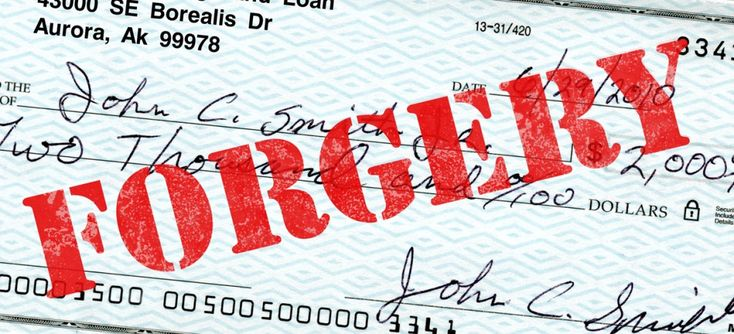
Meaning and Definition
Forgery is a criminal offence involving the making of a false document with the intention to cause damage, support a false claim, commit fraud, or dishonestly induce someone to act. Under Section 463 of the Indian Penal Code (IPC), forgery occurs when a person creates, alters, or signs a document intending it to be believed as genuine, even though it is false. The intention to deceive, harm, or defraud is the core element of forgery. It protects the authenticity of documents, transactions, and legal records. Forgery can relate to signatures, official documents, financial instruments, property papers, or digital records, making it a serious offence in both personal and commercial dealings.
Legal Provisions and Punishment
Section 465 IPC prescribes the general punishment for forgery, which includes imprisonment up to two years, a fine, or both. However, certain forms of forgery attract harsher penalties. Forging valuable security, will, or authority to adopt is covered under Section 467 IPC, punishable with imprisonment for life. Forgery intended to cheat is punished under Section 468 IPC, while using a forged document as genuine is punished under Section 471 IPC. These provisions ensure that both the maker of the false document and the user of such document face liability. The law aims to uphold trust in documentation, financial dealings, and public records by punishing fraudulent manipulation.
Purpose and Importance
The purpose of criminalizing forgery is to maintain the integrity of documents and prevent fraud that could lead to financial loss, property disputes, or legal deception. Forgery threatens public confidence in written communication, banking, legal transfers, and identity verification. Strict punishment ensures that individuals and institutions can rely on documents without fear of manipulation. Forgery laws help safeguard public order, commercial reliability, and personal rights, reinforcing the idea that documents carry legal sanctity and must be protected from fraudulent alteration.
Real-Time Example
Suppose A alters B’s property sale deed and changes the ownership details to show himself as the owner. He then submits the forged document to a bank to obtain a loan. This act amounts to forgery under Sections 463 and 465 IPC, and since it involves property and financial gain, Section 468 IPC (forgery for the purpose of cheating) applies. If A uses the forged document as if it is genuine, he is also liable under Section 471 IPC. This example shows how forgery can lead to serious financial and legal consequences.
Mnemonic to Remember
Mnemonic: “F-A-D – False, Alter, Deceive.”
- F – False document: Created or altered fraudulently.
- A – Alteration: Changes made to deceive others.
- D – Deceive: Intention to cause harm, fraud, or wrongful gain.
The mnemonic “F-A-D” helps easily recall the essential elements of forgery under IPC.
About lawgnan
If you want to understand forgery under the IPC in a simple, exam-oriented, and practical manner, visit Lawgnan.in today. Our platform provides easy explanations of Sections 463 to 471 IPC, real-time examples, mnemonics, and structured notes designed for law students, aspirants, and professionals. Strengthen your legal foundation with reliable content that breaks down complex concepts into clear, understandable points. Whether preparing for judiciary exams, law school tests, or needing quick legal clarity, Lawgnan.in offers trusted resources to enhance your learning. Explore more detailed notes, case summaries, and legal insights only on Lawgnan.in.