Facts of the Case
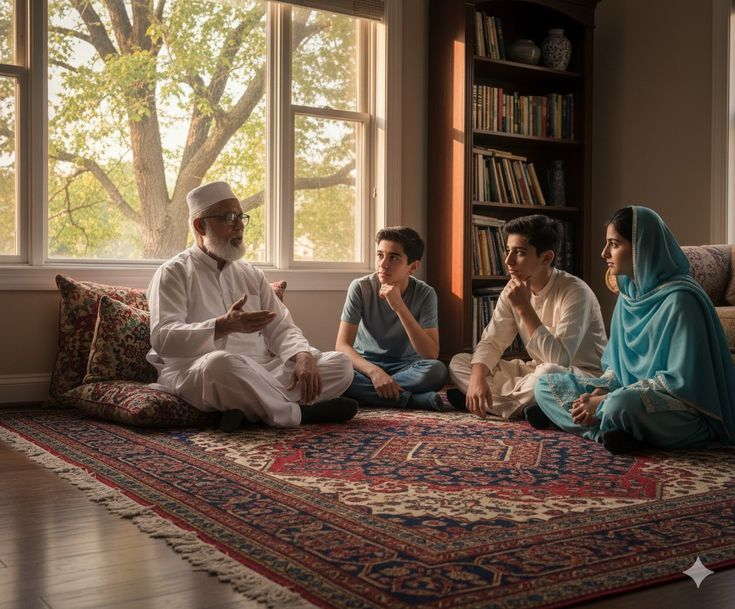
A Hindu male dies leaving a valid will in which he bequeaths his entire property in favour of his daughter. After his death, the son and wife object to the execution of the will, claiming their share in the deceased’s property. The dispute centers on whether the will can override the statutory inheritance rights of the son and wife under Hindu Succession Law, and whether the daughter can inherit the entire property as per the deceased’s testamentary intention.
Issues in the Case
- Whether a Hindu male can bequeath the whole property to one child by will, excluding other legal heirs?
- What are the rights of the son and wife under the Hindu Succession Act, 1956, and can they challenge the will?
- Does the will affect the self-acquired property differently from ancestral property?
- Whether the execution of the will in favour of the daughter is valid and enforceable despite objections from other heirs?
Legal Principles Covered to Support Case Proceedings and Judgements
- Testamentary Freedom for Hindus:
- Under Section 30 of the Hindu Succession Act, 1956, a Hindu male has the power to dispose of his self-acquired property by will.
- Ancestral property, however, is governed by the rules of coparcenary and cannot be bequeathed beyond the rights of co-parceners.
- Execution of Wills:
- As per Indian Succession Act, 1925 (Hindus are partly covered), a will is valid if executed voluntarily, signed, and attested according to law.
- Section 63 of the Indian Succession Act mandates that a will of a Hindu must be registered (optional, but attested) for enforceability.
- Rights of the Son and Wife:
- Son: If the property is self-acquired, the testator can leave the entire property to the daughter. The son cannot claim a compulsory share unless it is ancestral property.
- Wife: She is entitled to maintenance and possibly a life interest in the property for her sustenance (Hindu Adoptions and Maintenance Laws, Section 18 and Section 23 of Hindu Succession Act, 1956), but she cannot invalidate a valid will.
- Judicial Precedents:
- Gopalakrishna v. Natarajan AIR 1973 Mad 105 — Court held that a Hindu male has full freedom to bequeath his self-acquired property among his children.
- Krishna Kumar v. Sushila AIR 1988 Delhi 212 — A will executed in favour of one child excluding others is valid if property is self-acquired.
Possible Judgement
Based on the above legal principles:
- The will is valid if the property is self-acquired and the testator has followed proper execution formalities.
- The daughter is entitled to inherit the entire property as per the will.
- The son and wife cannot challenge the will merely because they are excluded, provided the property is self-acquired.
- However, the wife may claim maintenance or a life interest under Hindu law if she is not adequately provided for.
- If the property includes ancestral property, the son may claim his coparcenary share, and the will can only affect the self-acquired portion.
Judicial Outcome:
- Valid Will: Daughter inherits entire property (self-acquired).
- Son & Wife: Son may claim only coparcenary share if ancestral property exists; wife may claim maintenance or life interest.
- Execution of Will: Must be carried out as per testamentary provisions and Indian Succession Act formalities.
Mnemonic to Remember — “SWD Rule” (Self-acquired, Will, Daughter)
- S – Self-acquired property can be fully bequeathed.
- W – Will must be validly executed and attested.
- D – Daughter entitled to inherit as per will.
- S/W – Son/Wife rights limited to ancestral property or maintenance.
Summary:
A Hindu male can bequeath his self-acquired property entirely to his daughter under a valid will. The son and wife cannot invalidate the will unless the property includes ancestral property or maintenance obligations for the wife are unmet. Courts uphold testamentary freedom subject to statutory limits.
About lawgnan:
Explore expert insights on Hindu testamentary law and inheritance rights at Lawgnan.in. Learn how Section 30 of the Hindu Succession Act, 1956, empowers a Hindu father to bequeath his self-acquired property entirely to one heir through a valid will. Understand the distinction between self-acquired and ancestral property, the formalities of a valid will under the Indian Succession Act, 1925, and the limited rights of the wife and son. Lawgnan offers detailed explanations, landmark case laws, and step-by-step legal guidance on valid wills and inheritance disputes under Hindu law.