Meaning and Legal Basis
A Child Witness is a minor who gives testimony in a legal proceeding about events they have observed or experienced. Under the Indian Evidence Act, Sections 118 and 119, children competent to testify must possess the intelligence to understand questions and provide rational answers. The law recognizes that children may not have full understanding of legal formalities, but their testimony is admissible if they can comprehend the duty of truthfulness. Courts are cautious in evaluating child witnesses, taking into account their age, mental capacity, and vulnerability, ensuring that justice is served while safeguarding the child’s well-being.
Competence and Examination
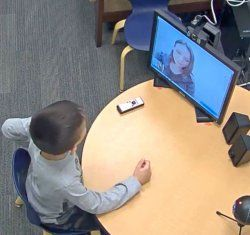
Section 118 of the Evidence Act provides that every person is competent to testify unless disqualified by law. For child witnesses, the court examines intellectual capacity, understanding of questions, and ability to recall events. Section 119 allows testimony even if the child cannot read or write. Special provisions under the Juvenile Justice Act, 2015, and Protection of Children from Sexual Offences (POCSO) Act, 2012 provide guidelines for recording child testimony, including video recording, in-camera proceedings, and use of intermediaries. Courts strive to create a non-threatening environment to ensure accurate and reliable testimony.
Evidentiary Value and Judicial Approach
The evidence of a child witness is admissible and relevant, but courts scrutinize it carefully due to the possibility of suggestibility or inaccuracy. Corroboration by other witnesses or material evidence is often desirable. In sexual offense cases under the POCSO Act, a child’s testimony can be the sole basis for conviction, provided the court finds it credible and consistent. Judicial pronouncements emphasize that age, maturity, and mental state of the child must be considered while assessing the weight of evidence, balancing justice with protection of the minor’s welfare.
Real-Time Example
In a POCSO case, a 10-year-old girl reports sexual assault by a neighbor. The testimony is recorded via video in an in-camera court setting to reduce trauma. Despite her young age, she provides clear details about the incident, which are later corroborated by medical examination and other evidence. Based on her testimony, the court convicts the accused, demonstrating that child witnesses, when supported by protective measures, can provide credible and decisive evidence in criminal proceedings.
Mnemonic to Remember Child Witness
Mnemonic: “C-H-I-L-D”
- C – Competence under Sections 118–119
- H – Honesty and understanding of truth
- I – In-camera recording for protection
- L – Legal provisions like POCSO/JJ Act
- D – Decisive evidence if credible
About lawgnan
Understanding crucial Evidence Act concepts like Child Witness is essential for judiciary aspirants, law students, and legal professionals. To access simplified explanations, case laws, examples, and exam-oriented notes, explore Lawgana.in, your trusted platform for legal learning. At Lawgana, you get high-quality, structured, and easy-to-remember content crafted for quick revision and conceptual clarity. Whether preparing for competitive exams or enhancing courtroom practice, Lawgana equips you with accurate legal insights and smart study tools. Strengthen your understanding of child witness rules, competency, and evidentiary value today. Visit Lawgana.in for more expert legal resources.