Facts of the Case
X was charged with murdering his wife using an axe.
At the time of the incident, their four-year-old son was present beside them.
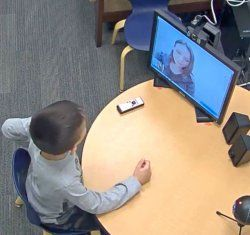
During the trial, the prosecution produced the child as an eyewitness.
There was no other corroborating evidence—no medical evidence, no circumstantial evidence, and no independent eyewitness.
The trial court convicted X solely on the basis of the testimony of the four-year-old child.
Issues in the Case
- Whether a four-year-old child can legally be produced as a competent witness under the Indian Evidence Act.
- Whether the uncorroborated testimony of a child witness can be the sole basis for conviction in a murder case.
- Whether the court ought to seek corroboration before relying on the statement of a child of tender age.
Legal Principles Covered
A. Competency of Child Witnesses – Section 118, Indian Evidence Act
Section 118 states that all persons are competent to testify unless the court considers them incapable of understanding the questions or giving rational answers due to:
- tender age,
- extreme old age,
- disease,
- or any other similar cause.
Thus, even a small child can be a competent witness if the court is satisfied that the child:
- understands the nature of questions, and
- can give truthful and coherent answers.
Courts usually conduct a voir dire examination (preliminary assessment).
B. Reliability of Child Witnesses
Although a child can be competent, courts are cautious because children:
- are easily influenced,
- may be coached,
- may lack proper understanding of events.
Therefore, corroboration is generally required, especially in serious offences like murder.
C. Legal Position from Case Law
Indian courts, including the Supreme Court, have held:
- Conviction can be based on the sole testimony of a child witness only if the testimony is found to be reliable, consistent, and trustworthy.
- However, as a rule of prudence, courts seek corroboration because of the risk of tutoring.
- Testimony of a child of 4 years is treated with extra caution, and the court must record reasons showing the child understood the duty to speak truth.
When no corroboration exists and the child is extremely young, courts usually refuse to base conviction solely on such testimony.
Possible Judgement
The conviction of X only on the uncorroborated evidence of a four-year-old child is not valid.
Reasons:
- Although the child may be competent under Section 118, the court must be satisfied about his capacity to understand and narrate the truth.
- In a murder charge, relying solely on the evidence of a very young child without corroboration is unsafe.
- The prosecution produced no independent or supporting evidence, and hence the testimony of the child should not have been the sole basis of conviction.
- The court must exercise special caution due to the possibility of tutoring or imagination in such young children.
About lawgnan
To master complex legal concepts like child witness competency, evidentiary standards, and courtroom practices, visit Lawgana.in—your trusted legal knowledge platform. Explore expertly structured notes, case briefs, IPC and Evidence Act explanations, mock tests, and judiciary-oriented study material. Whether you are a law student, aspirant, advocate, or researcher, Lawgana.in helps you build strong conceptual clarity with updated judgments and simplified explanations. Stay ahead with high-quality legal resources curated for academic excellence and professional growth. Click the link, access detailed content, enhance your understanding, and empower your legal journey today with Lawgana.in.