Understanding the Concept
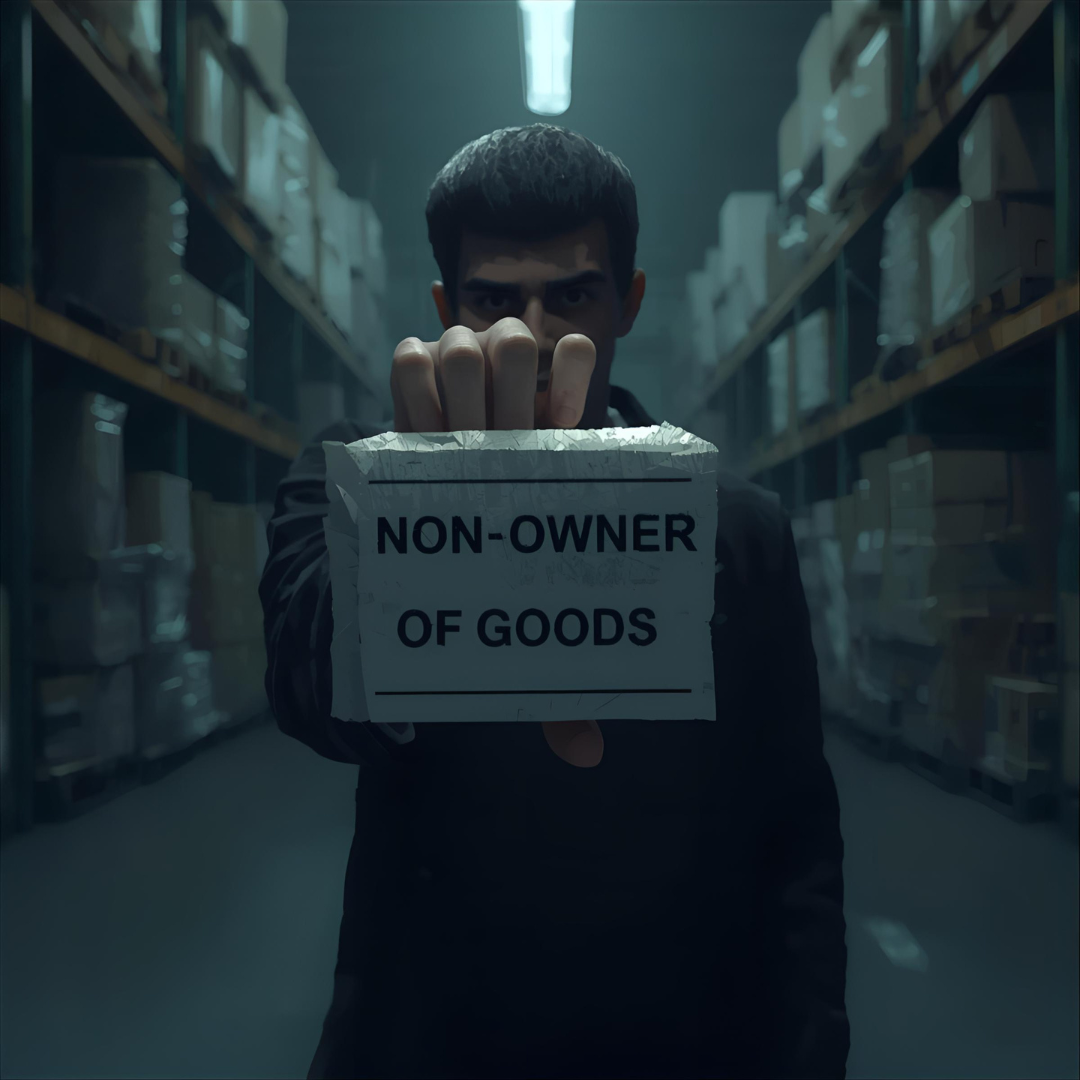
In the law of sale of goods, a fundamental rule governs transactions: “Nemo dat quod non habet”, meaning no one can give what he does not have. In simpler terms, a person who is not the owner of goods cannot transfer a better title than what he himself possesses. This principle is recognized under Section 27 of the Sale of Goods Act, 1930, which embodies the general rule that a buyer who purchases goods from a non-owner does not acquire ownership, even if he acts in good faith and pays full consideration.
However, this rule has certain exceptions designed to protect bona fide purchasers and facilitate commercial transactions. In today’s business world, it is often impractical for buyers to verify ownership before every purchase. Hence, the law allows some situations where a non-owner can convey a good title to the buyer. This balance ensures both the protection of ownership rights and the promotion of trade and business.
General Rule – Nemo Dat Quod Non Habet (Section 27 of the Sale of Goods Act, 1930)
According to Section 27, a sale made by a person who is not the owner of goods and who does not have the owner’s consent or authority is void against the true owner. The buyer, in such a case, gets no title even if he purchases in good faith and for valuable consideration.
The rationale behind this rule is simple — ownership rights must be respected. Allowing non-owners to pass valid titles freely could lead to fraud, uncertainty, and exploitation. However, because commerce depends on trust and the free flow of goods, the law carves out specific exceptions that validate certain transfers made by non-owners under justifiable circumstances.
Exceptions: When a Non-Owner Can Convey a Good Title
Despite the strictness of the nemo dat rule, there are statutory and common law exceptions under which a non-owner can pass a good title to the buyer. Let’s discuss each of these exceptions recognized under the Sale of Goods Act, 1930 and other relevant provisions.
1. Sale by a Mercantile Agent (Section 27 Proviso)
A mercantile agent is defined under Section 2(9) of the Act as an agent having authority to sell goods, consign them, or raise money using them as security.
If such an agent is in possession of the goods or the title documents with the owner’s consent, and sells them in the ordinary course of business, the buyer acquires a good title, provided the buyer acts in good faith and without notice of any limitation on the agent’s authority.
Example:
A car dealer (acting as a mercantile agent) sells a car that the true owner had left with him for display. The buyer, purchasing in good faith, gets a valid title, even though the agent sells without explicit consent at that moment.
2. Sale by One of Several Joint Owners (Section 28)
When goods are owned jointly by several persons and one of them is in sole possession of the goods with the consent of the other co-owners, a sale made by him in the ordinary course of business passes a good title to the buyer acting in good faith.
This rule protects innocent buyers who rely on the apparent ownership of the person in possession.
Example:
If A, B, and C jointly own machinery and A, with B and C’s consent, possesses it for use, then sells it to D in good faith — D acquires a good title even if B and C later object.
3. Sale by a Person in Possession under a Voidable Contract (Section 29)
If a person obtains possession of goods under a voidable contract (for example, through fraud, coercion, or misrepresentation) and sells them before the contract is rescinded, the buyer acting in good faith and without notice of the defect obtains a good title.
Example:
If X deceives Y into selling him a bike and then sells it to Z before Y cancels the deal, Z acquires a valid title if he buys in good faith.
4. Sale by a Person with Title Voidable but Not Void
This is closely related to Section 29. The distinction lies in that if the seller’s title is merely voidable (because of fraud or misrepresentation), and the goods are sold before rescission, the buyer’s title is protected. But if the title is void ab initio (from the beginning), no valid title passes.
5. Sale by a Seller in Possession after Sale (Section 30(1))
If a seller, after selling goods, continues to be in possession of the goods or the documents of title, and then sells them to another buyer acting in good faith and without notice of the prior sale, the second buyer gets a good title.
This rule supports commercial convenience by protecting innocent buyers who rely on possession as proof of ownership.
Example:
A sells a truck to B but continues to hold it for delivery. Later, A fraudulently sells it to C. If C buys in good faith, C’s title is protected.
6. Sale by a Buyer in Possession (Section 30(2))
When a buyer obtains possession of goods with the seller’s consent before ownership passes, and then sells them to another buyer who purchases in good faith and without notice, the new buyer gets a good title.
Example:
B buys a machine from A on credit, with an agreement that ownership will transfer after full payment. Before paying, B sells the machine to C, who buys in good faith. C gets a valid title under Section 30(2).
7. Sale under Estoppel (Section 27 Exception)
When the true owner’s conduct leads the buyer to believe that the seller has the authority to sell, the owner is estopped (prevented) from denying the seller’s authority later.
Example:
If the owner allows another to appear as the true owner of the goods and that person sells to a bona fide buyer, the owner cannot later claim the goods back.
8. Sale by Finder of Goods (Section 169, Indian Contract Act, 1872)
A finder of goods (a person who lawfully finds and takes possession of lost goods) can sell the goods in specific cases:
- When the true owner cannot be found after reasonable efforts; or
- When the goods are perishable or the lawful charges exceed their value.
In such cases, a buyer from the finder obtains a good title.
9. Sale by Pawnee (Section 176, Indian Contract Act, 1872)
Under Section 176, if a pawnor defaults in payment of the debt, the pawnee (pledgee) can sell the pledged goods after giving due notice to the pawnor. The purchaser from the pawnee acquires a good title, even though the pawnee is not the original owner.
Real-Life Example
A leading case that illustrates the exception to the nemo dat rule is Folkes v. King (1923). A car dealer sold a car that was previously left with him by the true owner. The buyer purchased the car in good faith, without knowledge of the dealer’s lack of ownership. The court held that since the dealer was a mercantile agent in possession with the owner’s consent, the buyer obtained a good title.
In India, a similar situation would fall under the proviso to Section 27 of the Sale of Goods Act, 1930, protecting the interests of bona fide purchasers and ensuring commercial certainty.
Mnemonic to Remember the Exceptions – “M-J-V-S-B-E-F-P”
Use the mnemonic “My Job’s Very Simple, But Every Fact Protects” to remember the circumstances when a non-owner can pass a good title:
- M – Mercantile agent (Section 27 Proviso)
- J – Joint owner in possession (Section 28)
- V – Voidable contract (Section 29)
- S – Seller in possession after sale (Section 30(1))
- B – Buyer in possession before ownership (Section 30(2))
- E – Estoppel (Section 27 Exception)
- F – Finder of goods (Section 169, Contract Act)
- P – Pawnee (Section 176, Contract Act)
Mnemonic Sentence:
“My Job’s Very Simple, But Every Fact Protects Buyers.”
This helps law students easily recall the eight key exceptions to the nemo dat rule under the Sale of Goods Act, 1930 and related laws.
About lawgnan:
Master the concept of Nemo Dat Quod Non Habet and its exceptions under the Sale of Goods Act, 1930 with detailed study materials available at Lawgnan.in. Get clear explanations of Sections 27–30 and related provisions, case laws like Folkes v. King (1923), and easy mnemonics for remembering exceptions. Lawgnan offers expert-written notes, summaries, and real-life examples to help you understand how ownership, transfer, and bona fide purchaser rights work in commercial law. Visit Lawgnan.in today to simplify your LLB and judiciary exam preparation with accurate and exam-focused law content.