Meaning and Legal Basis
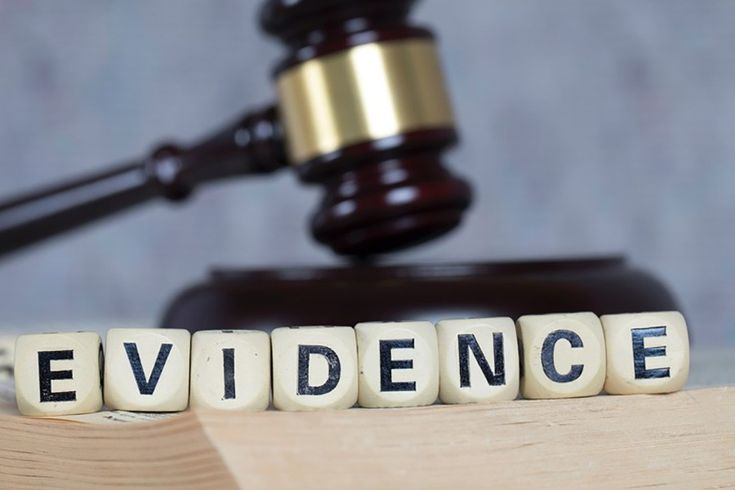
Evidence refers to any information, document, or statement presented before a court to prove or disprove a fact in issue or relevant facts. Under Section 3 of the Indian Evidence Act, 1872, evidence is broadly categorized as oral or documentary, and it is meant to help the court ascertain the truth of the matter in dispute. Evidence can establish, strengthen, or negate claims in both civil and criminal proceedings, forming the backbone of judicial decision-making. Without evidence, courts cannot reliably determine facts, making it essential for fair and just trials.
Types of Evidence
Evidence is classified primarily into:
- Oral Evidence: Statements made by witnesses in court under Section 59 of the Evidence Act. It must relate to facts personally observed by the witness and not hearsay, except as permitted under law.
- Documentary Evidence: Evidence in the form of documents or records, governed by Sections 61–90 of the Evidence Act. Documents can be written, electronic, or printed, and may include contracts, letters, or certificates.
- Primary vs. Secondary Evidence: Primary evidence is the original document or first-hand testimony, while secondary evidence refers to copies, summaries, or oral accounts of the original.
Purpose and Significance
The purpose of evidence is to establish the truth, guide judicial reasoning, and prevent miscarriage of justice. Evidence must be relevant, admissible, and credible. The Indian Evidence Act provides rules to determine relevance (Sections 5–55), admissibility, and burden of proof (Sections 101–114). By evaluating evidence systematically, courts can draw just and logical conclusions, ensuring procedural fairness and protection of rights.
Real-Time Example
In a burglary case, the prosecution presents CCTV footage, fingerprints, and the testimony of a shopkeeper who witnessed the accused entering the store. These constitute evidence under the Evidence Act: oral evidence from the witness, documentary evidence from CCTV, and physical evidence from fingerprints. The combination of these evidentiary forms enables the court to reliably determine the facts and deliver a just verdict.
Mnemonic to Remember
Mnemonic: “P-R-O-O-F” (Essentials of Evidence)
- P – Personal Knowledge: Oral evidence must be first-hand.
- R – Records/Documents: Documentary evidence admissible.
- O – Original vs Copy: Primary and secondary evidence distinction.
- O – Observations: Facts must be relevant to the issue.
- F – For Truth: Purpose is to ascertain the truth in dispute.
About lawgnan
To master the concept of evidence under the Indian Evidence Act, visit Lawgana.in—your trusted platform for simplified, exam-oriented legal learning. Lawgana.in offers clear explanations of oral, documentary, primary, and secondary evidence with real-life examples, mnemonics, and structured notes to strengthen your conceptual understanding. Whether you are preparing for judiciary exams, LL.B. semesters, or competitive law tests, our detailed study materials help you grasp relevance, admissibility, and burden of proof effortlessly. Enhance your legal knowledge and stay ahead in your preparation—explore comprehensive notes and legal insights only on Lawgana.in today.