
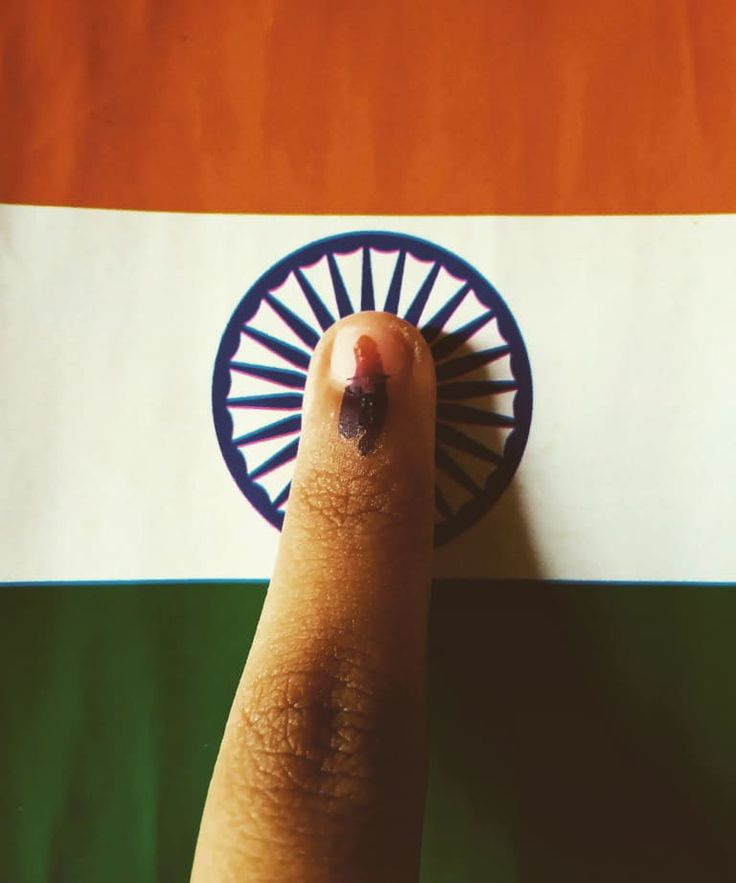
Overview and Constitutional Basis: The Election of the President of India is governed by Articles 54 to 58 of the Constitution of India. The President […]
Category: LLB 2nd Sem CONSTITUTIONAL LAW – II

Competition of Electoral College
Overview and Constitutional Basis: The Electoral College in India refers to the body of elected representatives responsible for electing the President of India. Its composition […]

State Emergency
Overview and Constitutional Basis: The State Emergency, also known as President’s Rule, is provided under Article 356 of the Constitution of India. It can be […]

Public Service Commission
Overview and Constitutional Basis: The Public Service Commission (PSC) is a constitutional body established to ensure fair recruitment and promotion in public services. The Constitution […]

Resolution of inter-state water disputes.
Overview and Constitutional Basis: The resolution of inter-state water disputes in India is governed by Article 262 of the Constitution of India. It empowers Parliament […]

Write of Mandamus. Gudiciatremans it no
1. Overview and Meaning:The Writ of Mandamus is a judicial remedy issued by a court, commanding a public authority, inferior court, or statutory body to […]

Appointments of Supreme Court Judges
Overview and Constitutional Provisions: The appointment of judges to the Supreme Court of India is governed primarily by Articles 124(2) and 124(3) of the Constitution […]

Doctrine of colourable legislation
Overview and Meaning: The Doctrine of Colourable Legislation is a principle in Indian constitutional law that prevents the legislature from enacting laws that, in substance, […]
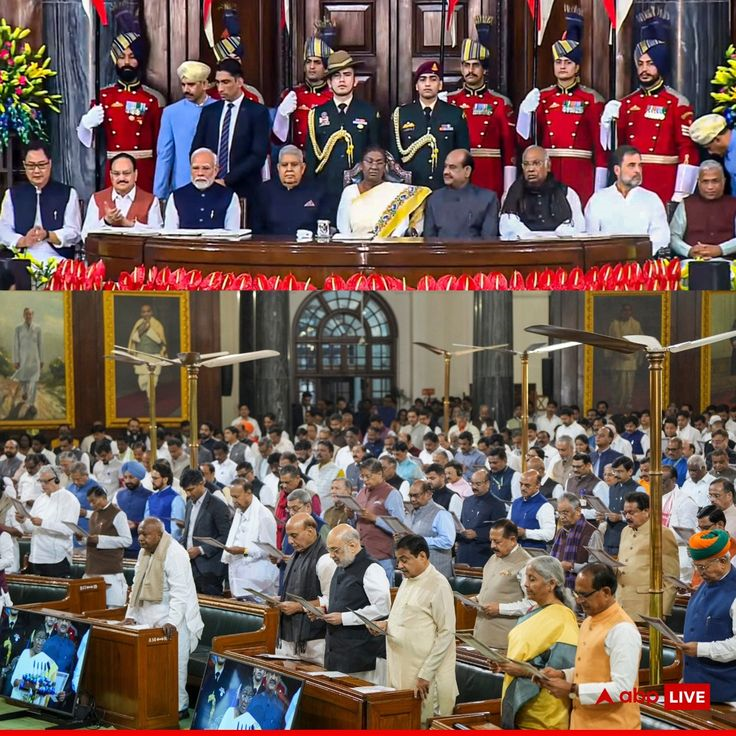
Pardoning power of the President. Pardon
1. Overview and Objective: The President of India is vested with the pardoning power under Article 72 of the Constitution of India. This power allows […]

Anti-Defection Law
Overview and Objective The Anti-Defection Law in India was enacted through the Tenth Schedule of the Constitution, inserted by the 52nd Amendment Act, 1985. Its […]