Facts of the Case
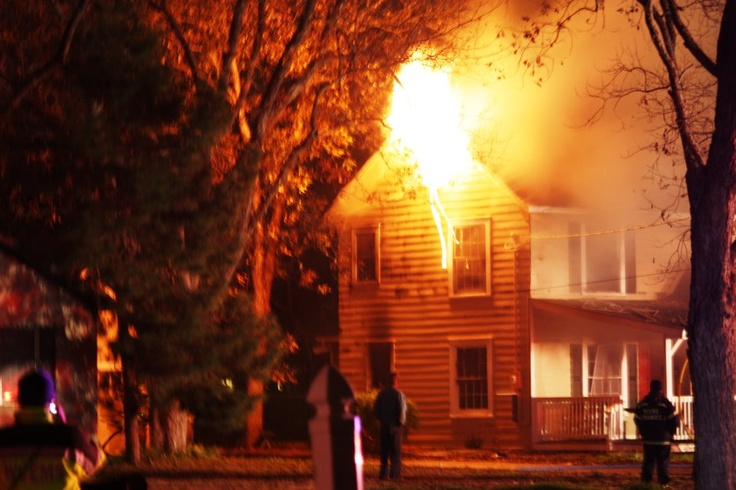
A, with deliberate intention, set fire to a godown owned by Y. The act caused significant damage to the property and resulted in wrongful loss to Y. There is no evidence that Y consented to this act or that the fire was accidental. The act was premeditated, and the property destroyed was not owned by A. The prosecution alleges that the act constitutes a serious criminal offence under the Indian Penal Code.
Issues in the Case
- Whether the act of intentionally setting fire to Y’s godown constitutes an offence under Indian law?
- Whether A can be held criminally liable for causing wrongful loss to another person’s property?
- Which provisions of the Indian Penal Code are attracted by this act?
- What punishment can be imposed for such an offence?
Legal Principles Applicable
A. Mischief by Fire — Section 435 IPC
- Section 435 IPC defines mischief by fire or explosive substance as intentionally causing damage to property by fire, which is likely to cause destruction of any building or property.
- Ingredients:
- Intentional act (actus reus + mens rea)
- Property belonging to another person
- Act causing damage or wrongful loss
In this case, A intentionally set fire to Y’s godown. The property belongs to Y. The act caused wrongful loss. All elements under Section 435 IPC are satisfied.
B. Section 436 IPC — Punishment for Mischief by Fire
- Section 436 IPC provides the punishment for mischief by fire when the property is a building.
- Punishment: Imprisonment for life or up to 10 years, and fine.
- Since a godown qualifies as a building, Section 436 IPC applies.
C. Section 427 IPC — Mischief causing Damage
- If the damage caused is less than 50 rupees (minor damage), Section 427 IPC applies.
- Here, as the damage is significant (godown), Section 436 IPC is the relevant provision.
D. Criminal Liability
- Intentional act causing wrongful loss satisfies mens rea.
- There is no defence such as accident (Sec 80 IPC) or mistake of fact (Sec 76 IPC).
- Even if no human injury occurred, the act is punishable as property offence.
Possible Judgement
Finding
A is liable for committing a criminal offence.
Offence Committed
- Mischief by fire (Section 435 IPC) leading to damage of a building (Section 436 IPC).
Reasoning
- The act of setting fire to Y’s godown was intentional.
- The property belonged to Y, and the act caused wrongful loss.
- All statutory requirements for Sections 435 and 436 IPC are fulfilled.
- No valid defence is available.
Punishment
- Imprisonment for life or up to 10 years, and
- Fine, as per Section 436 IPC.
Note: Courts may also award compensation to Y for the loss under civil provisions, but the criminal liability arises irrespective of compensation.
About lawgnan
If you found this analysis helpful in understanding how the IPC deals with intentional property destruction—especially under Sections 435 and 436—then enhance your legal knowledge further with Lawgana.in. We provide structured notes, clear explanations, case analyses, and exam-oriented content for law students, judiciary aspirants, and professionals. Our resources simplify complex criminal law concepts, helping you study faster and score better. Explore topic-wise summaries, important sections, diagrams, and practical examples designed for easy retention. Visit Lawgana.in today and empower your legal learning journey with accurate, reliable, and student-friendly content.