Overview and Constitutional Basis:
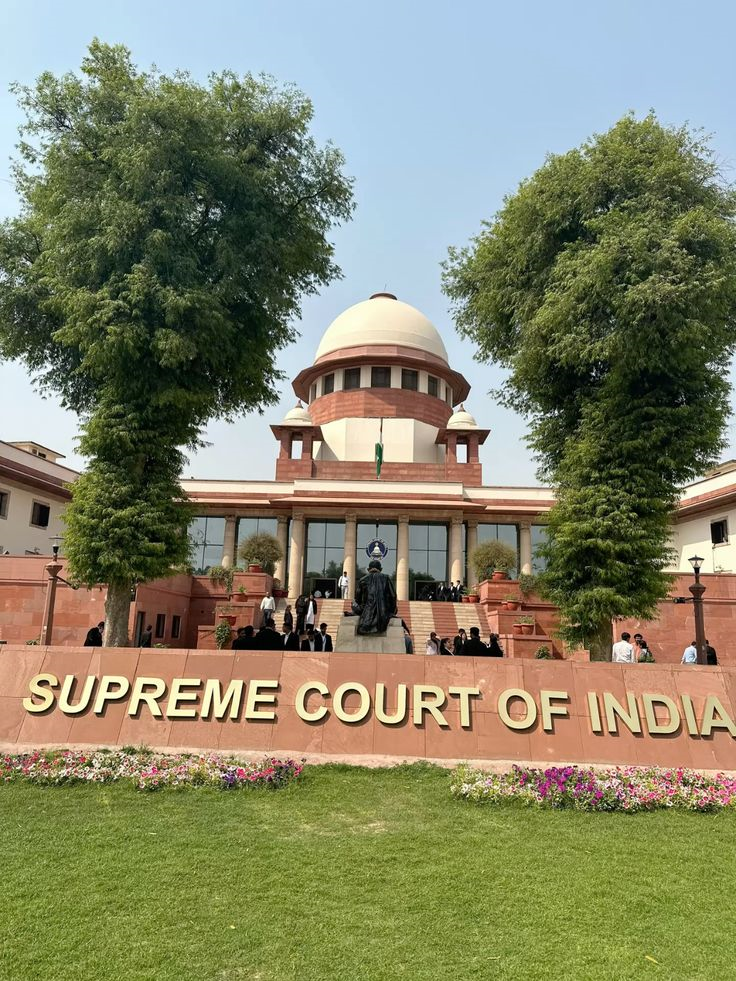
A Curative Petition is a special judicial remedy developed by the Supreme Court of India to prevent miscarriage of justice and to ensure fairness even after the review petition has been dismissed. It is not explicitly mentioned in the Constitution but has been evolved through judicial interpretation to uphold the fundamental right to equality and justice under Article 14 and Article 21 of the Constitution. The concept was laid down in the landmark case of Rupa Ashok Hurra v. Ashok Hurra (2002), where the Supreme Court held that a curative petition can be filed if the petitioner proves there was a gross violation of principles of natural justice or bias that affected the earlier judgment.
Legal Provisions and Procedure:
Although not part of the Constitution, the Curative Petition is governed by the Supreme Court’s procedural guidelines established in Rupa Ashok Hurra’s case (2002). It can be filed only after the dismissal of a review petition under Article 137. The petition must clearly state that the grounds raised were taken in the review petition and rejected. It is first circulated to a bench of the three senior-most judges and the judges who passed the original judgment, if available. If the majority finds merit, the matter is listed for open-court hearing. This ensures the finality of judgments is balanced with the protection of justice in extraordinary cases, maintaining the Supreme Court’s authority as the guardian of the Constitution.
Significance and Constitutional Importance:
The Curative Petition serves as the last judicial safeguard against injustice, ensuring that no person suffers due to an error in a final Supreme Court judgment. It reflects the Court’s acknowledgment that even judicial systems can err, and justice must always prevail over technical finality. It reinforces public confidence in the judiciary by demonstrating that the system values truth, fairness, and rectification of wrongs. However, the scope of curative petitions is extremely limited to prevent misuse and endless litigation. Thus, it upholds the principle of substantive justice, ensuring that the judiciary remains flexible enough to correct its own mistakes without undermining judicial authority.
Real-Time Example:
A notable example is the Yakub Memon case (2015), where the convict filed a curative petition challenging his death sentence in the 1993 Mumbai blasts case after his review petition was dismissed. The Supreme Court heard and rejected it after due consideration, reaffirming the limited yet crucial role of the curative jurisdiction. Another example is the Nirbhaya gang-rape convicts (2020), who also filed curative petitions to delay their execution, which were dismissed after the Court found no violation of natural justice. These cases show that the curative petition acts as a final safety valve, ensuring justice while maintaining the sanctity of judicial finality.
Mnemonic to Remember:
Mnemonic: “JUDGE – Justice, Ultimate, Decision, Gross Error”
- J = Justice ensured through last remedy
- U = Ultimate petition after review (Article 137)
- D = Decision reconsidered by senior judges
- G = Gross violation of natural justice corrected
- E = Exceptional and rare judicial relief
The mnemonic “JUDGE” helps remember that a Curative Petition is the ultimate judicial remedy meant to correct gross errors and uphold justice in exceptional cases, safeguarding faith in the Supreme Court’s fairness.
About lawgnan:
Explore the concept of Curative Petition in India at Lawgnan.in, the ultimate judicial remedy created by the Supreme Court to correct gross miscarriages of justice. Understand its origin in Rupa Ashok Hurra v. Ashok Hurra (2002) and how it upholds Articles 14 and 21 of the Constitution by ensuring fairness even after the dismissal of review petitions. Learn the strict procedure, constitutional significance, and real-life examples like Yakub Memon and Nirbhaya cases that demonstrate this exceptional safeguard. Perfect for law students, judiciary aspirants, and UPSC candidates — visit Lawgnan today to master India’s curative jurisdiction and judicial fairness.