Facts of the Case
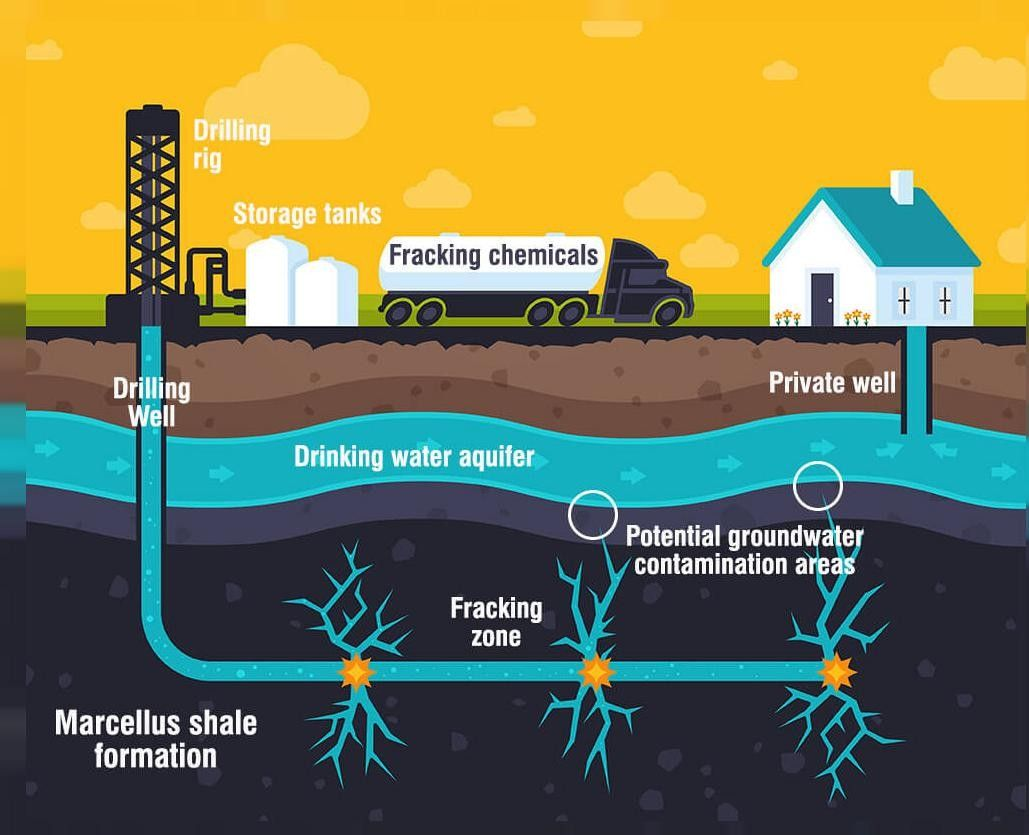
Mr. X, the owner of a piece of land, dug deep tube wells on his own property with the intention of extracting groundwater. It is alleged that this act was done maliciously, with the knowledge that it would intercept the natural flow of groundwater. As a consequence of this excessive and deliberate extraction, the neighbour’s well dried up, depriving him of water for domestic and agricultural use. The aggrieved neighbour initiated civil proceedings against Mr. X, claiming damages and injunctive relief on the ground that Mr. X’s actions unlawfully interfered with his rights.
Issues in the Case
The following legal issues arise for consideration:
- Whether Mr. X is liable for intercepting groundwater flowing to the neighbour’s well.
- Whether malicious use of one’s own land creates civil liability.
- Whether such conduct amounts to a civil wrong, particularly nuisance.
- What general principle of civil liability governs this situation under Indian law.
Legal Principles Covered to Support Case Proceedings and Judgements
A. General Principle of Civil Liability
Civil liability arises when a person’s conduct unlawfully causes harm to another, even if the act is done on one’s own property. The maxim sic utere tuo ut alienum non laedas (use your property so as not to injure another’s) governs such situations.
B. Law of Nuisance
Under tort law, private nuisance occurs when there is an unreasonable interference with another person’s use or enjoyment of land. Excessive extraction of groundwater, causing a neighbour’s well to dry up, can amount to actionable nuisance.
C. Malice and Use of Property
In the well-known English case Bradford Corporation v. Pickles, it was held that mere malice does not make lawful use of land unlawful. However, Indian courts do not apply this principle rigidly. Indian jurisprudence places greater emphasis on reasonableness, social welfare, and harm caused, especially in matters involving essential resources like water.
D. Indian Legal Position
Indian courts have consistently held that water is a shared natural resource, and no landowner has an absolute right to exploit groundwater to the detriment of others. Malicious or excessive withdrawal leading to harm attracts liability under nuisance and negligence principles.
4. Possible Judgement
The court is likely to hold that:
- Mr. X is liable for the harm caused to the neighbour.
- His act of digging deep tube wells with malicious intent amounts to unreasonable use of property.
- The conduct constitutes private nuisance, attracting civil liability.
- The court may grant damages and an injunction restraining further excessive extraction.
Thus, Mr. X would be held civilly liable under the general principles of tortious liability.
About Lawgnan
Water disputes and land-use conflicts are increasingly common in India, and understanding civil liability is crucial for landowners and legal professionals alike. At lawgana.in, we explain complex issues like nuisance, groundwater rights, and environmental responsibility through clear, Indian-law–focused analysis. Whether you are a student, advocate, or property owner, our expert content helps you stay legally informed and compliant. Explore case-based explanations, jurisprudential insights, and practical legal guidance tailored to Indian law. Visit lawgana.in today to deepen your understanding and protect your legal interests responsibly.