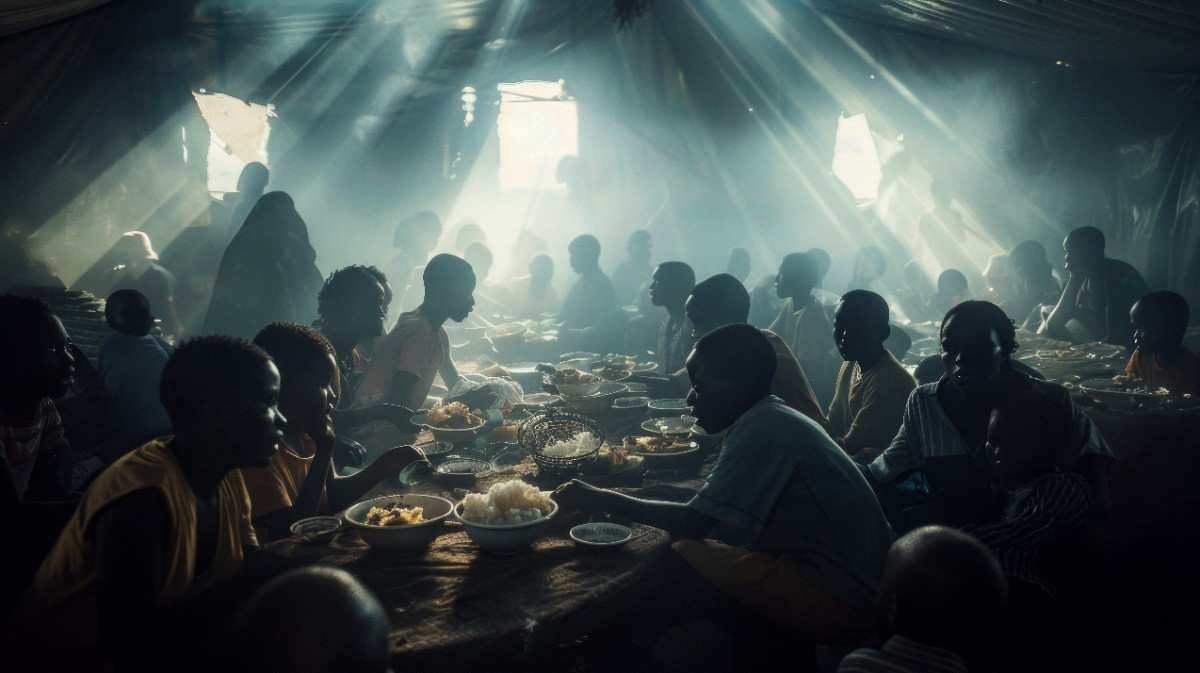
Facts of the Case
A man, suffering from extreme starvation, killed another human being in order to eat his flesh and save his own life. After committing the act, the accused was prosecuted for the offence of murder. During the trial, the accused raised the plea of necessity, arguing that the act was done to avoid imminent death from starvation. The court is required to decide whether the defence of necessity is available in such circumstances under Indian law.
Issues in the Case
The following legal issues arise for consideration:
- Whether killing another person to save one’s own life is justified under the defence of necessity.
- Whether necessity can be pleaded as a defence to the offence of murder.
- What are the limits of the doctrine of necessity under Indian criminal jurisprudence.
- Whether the accused can be exempted from criminal liability.
Legal Principles Covered to Support Case Proceedings and Judgements
A. Defence of Necessity under Indian Law
The defence of necessity is recognized under Section 81 of the Indian Penal Code, which protects acts done to avoid greater harm, provided the act is done without criminal intention and in good faith.
B. Limits of Necessity
Indian jurisprudence makes it clear that necessity cannot justify the intentional killing of an innocent person. Human life is of supreme value, and the law does not permit choosing one life over another.
C. Murder and Absolute Prohibition
Murder is a grave offence, and no circumstance of personal survival can excuse the deliberate taking of another’s life. Allowing such a defence would destroy the moral and legal foundation of criminal law.
D. Jurisprudential Principle
The principle is that self-preservation does not extend to homicide. Necessity may excuse minor harms, but not acts that directly violate the right to life of another.
Possible Judgement
The court is likely to hold that:
- The defence of necessity is not applicable to the offence of murder.
- Killing another person for survival is not protected under Section 81 IPC.
- The accused intentionally caused the death of another human being.
- The accused is criminally liable for murder and cannot be acquitted on the ground of necessity.
Accordingly, the accused would be convicted, as necessity is no defence to homicide under Indian law.
About Lawgnan
Understanding criminal defences like necessity is essential to grasp the moral and legal boundaries of Indian criminal law. Extreme situations test human instincts, but law draws clear limits to protect life and justice. At lawgana.in, we explain complex criminal law doctrines through clear, structured, and Indian-law-focused analysis. Whether you are a law student, judiciary aspirant, or legal professional, our expert content helps you master difficult concepts with clarity and confidence. Explore case-based explanations, jurisprudential insights, and exam-oriented legal resources. Visit lawgana.in today to strengthen your understanding of criminal responsibility.