Facts of the Case
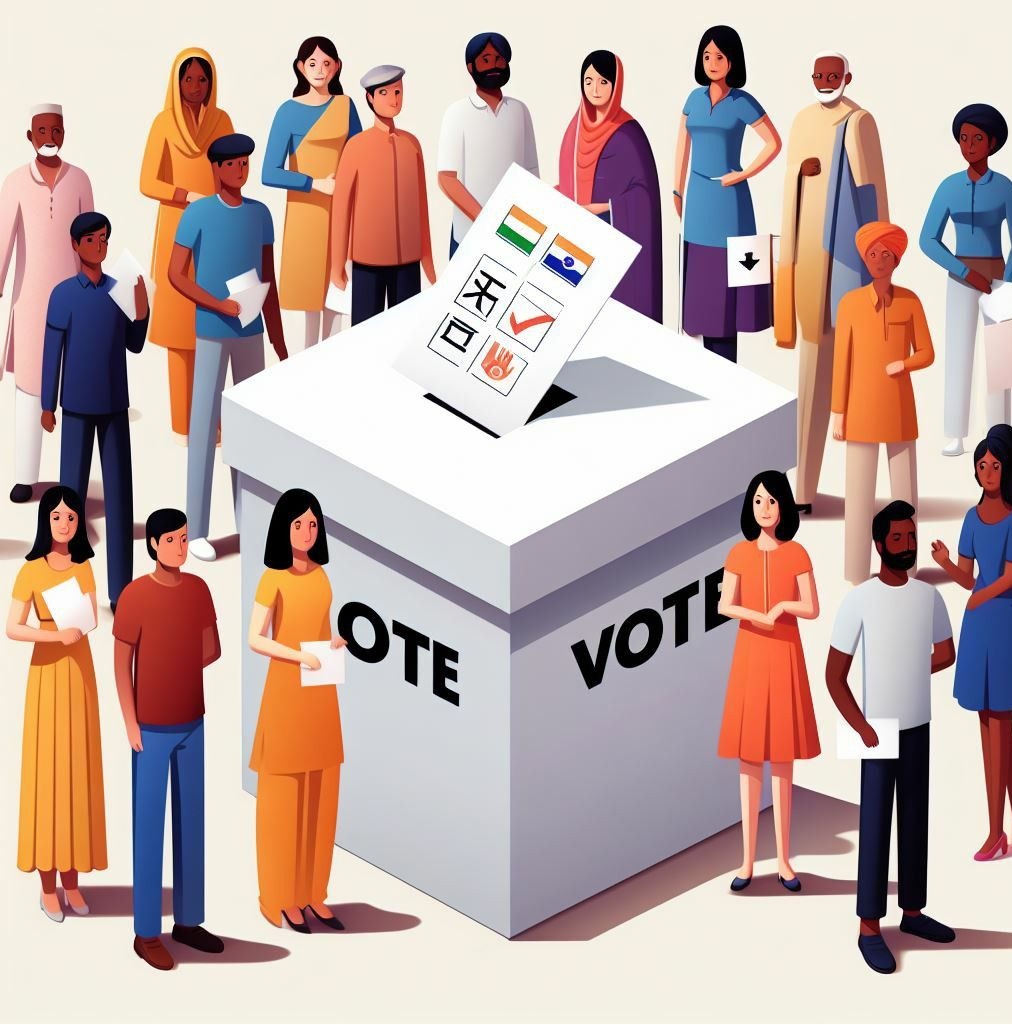
‘X’ was a duly qualified and registered voter entitled to cast his vote in a parliamentary election. When ‘X’ approached the polling station to vote, ‘Y’, the Returning Officer, wrongfully refused to accept or record his vote without lawful justification. As a result, ‘X’ was deprived of his statutory right to vote. The issue arises regarding the legal liability of the Returning Officer for such wrongful refusal.
Issues in the Case
- Whether wrongful refusal to record a qualified voter’s vote gives rise to legal liability.
- Whether a Returning Officer is protected from liability for such acts.
- What remedy is available to the aggrieved voter ‘X’.
Legal Principles Covered
Under Indian jurisprudence, the right to vote, though statutory in nature, is a legal right protected by election laws. A Returning Officer performs statutory duties, and wrongful refusal to perform such duty amounts to breach of statutory obligation.
Where a public officer acts maliciously, negligently, or without lawful authority, he may be held personally liable. Wrongful refusal to take a valid vote constitutes a civil wrong, and the officer cannot claim immunity if the act is outside the scope of lawful authority or done in bad faith. Compensation may be awarded for violation of the legal right, even if the election result is not affected.
Possible Judgement
The court is likely to hold that ‘Y’, the Returning Officer, is liable for wrongful refusal to record the vote of ‘X’. Since ‘X’ was a qualified voter, denial of voting rights amounts to breach of statutory duty. ‘Y’ may be held personally liable for damages, and appropriate legal remedies may be granted to ‘X’, subject to proof of wrongful conduct.
About Lawgnan
Electoral rights and duties of public officials are crucial aspects of Indian jurisprudence and constitutional governance. Questions involving wrongful denial of voting rights frequently appear in law examinations and judicial services preparation. Understanding the liability of election officials helps in appreciating the rule of law and democratic accountability. If you are a law student, legal aspirant, or professional looking for exam-ready explanations of jurisprudence and public law principles, explore more expert content. Visit lawgana.in for structured legal answers, conceptual clarity, and practical insights designed to strengthen your legal reasoning and answer-writing skills.