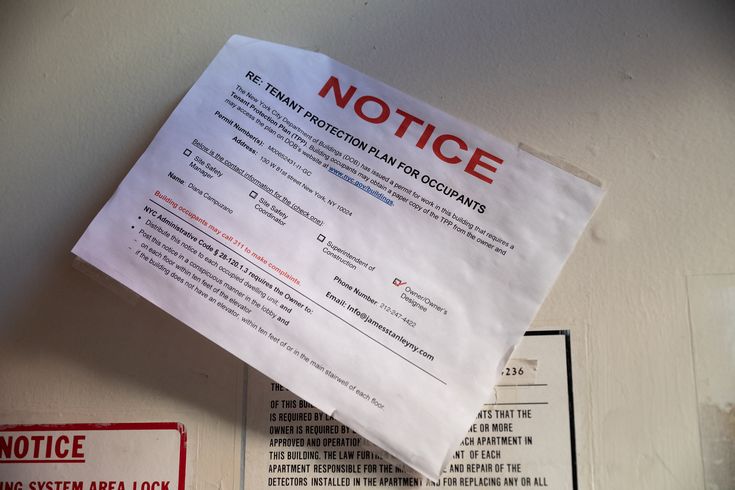
Meaning and Concept
The Rule of Constructive Notice is a fundamental doctrine under Company Law which presumes that every person dealing with a company has prior knowledge of its public documents. These documents mainly include the Memorandum of Association (MoA) and the Articles of Association (AoA), which are registered with the Registrar of Companies and made available for public inspection under Section 399 of the Companies Act, 2013. The law assumes that since these documents are accessible, outsiders are deemed to have read and understood them before entering into any transaction with the company. The rule protects companies from being bound by acts that are outside the authority defined in their constitutional documents. It places a duty of care and caution on third parties, ensuring transparency and legal certainty in corporate dealings. This doctrine reflects the principle that ignorance of publicly available legal information cannot be used as a defense.
Legal Basis and Objective
The legal basis of the Rule of Constructive Notice can be traced to Sections 7, 10, and 399 of the Companies Act, 2013, which emphasize registration, binding force, and public inspection of company documents. Once registered, the MoA and AoA become binding on the company, its members, and outsiders dealing with it. The primary objective of this rule is to safeguard the company against unauthorized acts of its officers that exceed the powers granted by these documents. By shifting responsibility to outsiders, the law promotes careful commercial behavior and discourages blind reliance on representations made by company officials. This doctrine also strengthens corporate governance by ensuring that company powers are exercised strictly within legal limits. However, due to its rigid nature, courts have recognized the need for balancing fairness, leading to certain judicial exceptions.
Scope, Effect, and Criticism
The Rule of Constructive Notice applies to all express provisions, limitations, and conditions stated in the MoA and AoA. Any transaction entered into in violation of these documents is void and unenforceable against the company, even if the outsider acted honestly. While this rule ensures corporate discipline, it has been criticized for being harsh on outsiders, especially those unfamiliar with complex legal documents. Courts have acknowledged that expecting every person to scrutinize detailed company records may be unrealistic. This criticism led to the evolution of the doctrine of indoor management, which serves as an exception to mitigate hardship. Despite these limitations, the Rule of Constructive Notice remains a cornerstone of company law, ensuring accountability and protection of corporate interests.
Real-Time Practical Example
Consider a company whose Articles of Association clearly state that borrowing beyond ₹10 lakhs requires prior approval of the Board of Directors. A bank grants a loan of ₹30 lakhs based solely on the signature of the managing director without verifying the AoA. Later, when the company refuses to honor the loan citing lack of authorization, the bank cannot plead ignorance. Since the AoA is a public document available for inspection under Section 399 of the Companies Act, 2013, the bank is deemed to have constructive notice of the restriction. As a result, the company is not bound by the unauthorized transaction. This example highlights the real-world importance of due diligence while dealing with companies.
Mnemonic to Remember the Rule
A simple and effective mnemonic to remember the Rule of Constructive Notice is “READ before you DEAL.”
R – Registered documents are public
E – Everyone is deemed to know
A – Authority limits of officers
D – Deemed notice by law
This mnemonic reinforces the idea that outsiders must read and understand a company’s registered documents before entering into any transaction. It helps students and professionals recall the core principle during exams and practical application, ensuring clarity and confidence in understanding this doctrine.
About Lawgnan
If you want clear, exam-oriented, and practical explanations of Company Law concepts like the Rule of Constructive Notice, explore more insightful legal content at lawgana.in. Our platform is designed for law students, professionals, and business learners who want simplified legal knowledge without compromising accuracy. From mnemonics and case laws to SEO-friendly legal articles, lawgana.in helps you stay updated, confident, and exam-ready. Follow the link today to strengthen your understanding of corporate law and gain an edge in academics and professional practice.