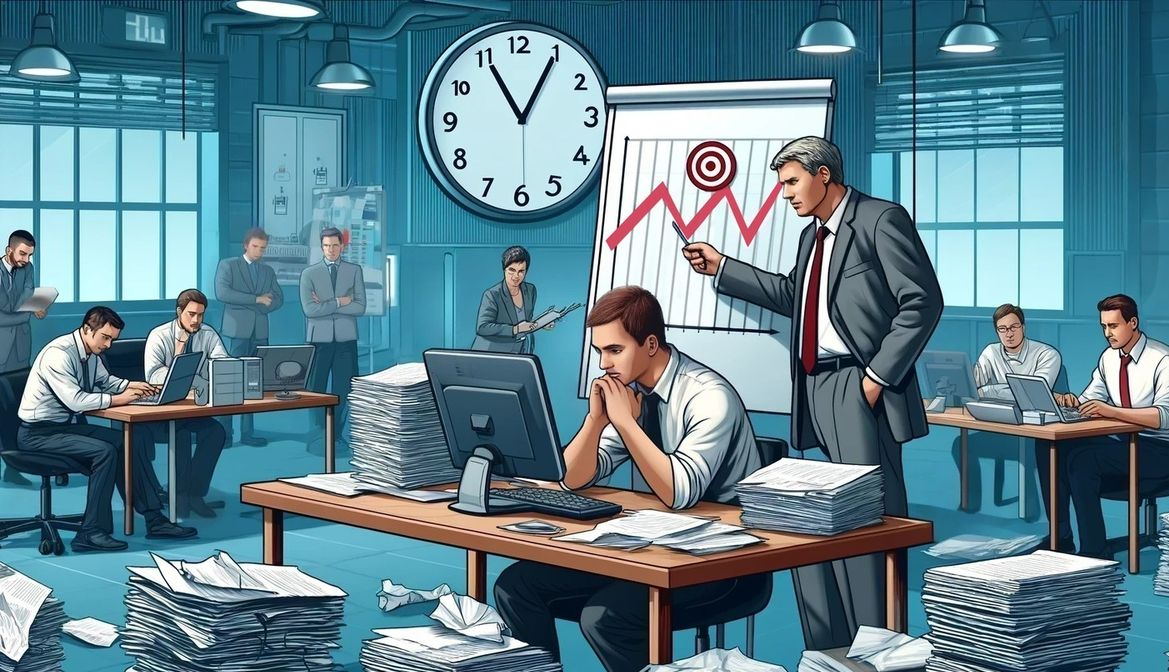
Industrial relations form the backbone of economic growth in any industrial society. Conflicts between employers and employees are inevitable due to differences in wages, service conditions, job security, disciplinary actions, or managerial policies. To regulate these conflicts and ensure social justice, the Industrial Disputes Act, 1947 was enacted. One of the most important concepts under this Act is the term “industrial dispute”, which determines whether a dispute can be adjudicated by labour courts or industrial tribunals.
This essay explains the meaning of industrial dispute, the essential elements, the distinction between individual and collective disputes, and when an individual dispute becomes an industrial dispute under Indian law.
Definition of Industrial Dispute
Statutory Definition
Section 2(k) of the Industrial Disputes Act, 1947 defines industrial dispute as:
“Any dispute or difference between employers and employers, or between employers and workmen, or between workmen and workmen, which is connected with the employment or non-employment, or the terms of employment, or with the conditions of labour, of any person.”
Key Takeaways:
- The dispute may exist between employers, between employer and workmen, or between workmen themselves.
- It must relate to employment, terms of employment, or conditions of labour.
- The definition is broad and inclusive, ensuring industrial justice and protecting workers’ rights.
Essential Elements of Industrial Dispute
From the statutory definition, several essential elements emerge:
- Existence of a Dispute or Difference
- There must be a real and substantial dispute; imaginary or apprehensive claims do not qualify.
- Parties to the Dispute
- Must involve:
- Employer and employer
- Employer and workmen
- Workmen and workmen
- Must involve:
- Subject Matter of the Dispute
- Related to employment, non-employment, terms of employment, or conditions of labour.
- Examples: wages, bonuses, retrenchment, working hours, promotions, disciplinary action.
- Industrial Character
- The dispute must affect the industry or group of workmen, not just a purely personal matter (traditionally).
Individual Dispute: Meaning
An individual dispute refers to a conflict raised by a single workman concerning his personal grievance, such as:
- Dismissal or discharge
- Retrenchment or termination of service
- Denial of promotion or benefits
Initially, under the Industrial Disputes Act, an individual dispute did not qualify as an industrial dispute unless it was supported by other workers or trade unions.
Position of Law Before Section 2A
Before the insertion of Section 2A:
- Courts held that a single workman’s dispute could not be adjudicated as an industrial dispute.
- It had to be espoused by a trade union or supported by a significant number of workmen.
Leading Case:
- Central Provinces Transport Service v. Raghunath Gopal Patwardhan – The Supreme Court held that disputes of an individual without collective support were not industrial disputes.
This restrictive interpretation often left individual workmen vulnerable to exploitation without legal recourse.
Introduction of Section 2A – Transforming Individual Disputes
To protect individual workers, the legislature introduced Section 2A of the Industrial Disputes Act, 1947:
“Where any employer discharges, dismisses, retrenches, or otherwise terminates the services of an individual workman, any dispute connected with such action shall be deemed to be an industrial dispute, even if no other workman or union supports it.”
Implications of Section 2A:
- Individual disputes related to termination are automatically considered industrial disputes.
- No collective support is required.
- Applies only to termination, discharge, dismissal, or retrenchment, not to wage, promotion, or transfer disputes.
When Does an Individual Dispute Become an Industrial Dispute?
By Collective Espousal
- An individual dispute may become an industrial dispute if:
- Supported by a trade union
- Espoused by a substantial number of workmen
- This applies to disputes other than termination-related disputes.
By Operation of Law (Section 2A)
- For disputes related to dismissal, discharge, retrenchment, or termination, Section 2A ensures:
- Automatic industrial dispute status
- Access to labour courts or industrial tribunals
- Protection against unfair treatment or victimization
Scope of Section 2A
Covered Matters:
- Illegal dismissal
- Retrenchment without notice or compensation
- Termination violating natural justice
- Victimization
Not Covered:
- Promotion disputes
- Transfer disputes
- Increment or bonus issues
- Other service-related grievances
Such non-termination disputes still require collective support to qualify as industrial disputes.
Judicial Interpretation of Section 2A
Indian courts have consistently upheld Section 2A’s protective intent:
Key Principles:
- Section 2A is remedial and beneficial legislation.
- Must be interpreted liberally to protect individual workmen.
- Ensures access to labour courts for workmen without union support.
Case Reference:
- Rajasthan State Road Transport Corporation v. Krishna Kant – The Supreme Court emphasized that Section 2A prevents injustice to individual workers and extends legal remedies.
Importance of Recognizing Individual Disputes
Recognition of individual disputes as industrial disputes serves multiple purposes:
- Protects individual workmen from arbitrary termination.
- Prevents exploitation by unscrupulous employers.
- Ensures access to legal remedies under labour law.
- Strengthens right to livelihood under Article 21.
- Promotes fairness, industrial justice, and peace.
Distinction Between Industrial Dispute and Individual Dispute
| Basis | Industrial Dispute | Individual Dispute |
|---|---|---|
| Nature | Collective | Personal |
| Parties | Group of workmen | Single workman |
| Legal Recognition | Always covered | Covered only under Section 2A or espousal |
| Examples | Wage revision, bonus disputes | Dismissal, discharge |
Constitutional Perspective
The Industrial Disputes Act aligns with:
- Article 19(1)(c) – Right to form unions
- Article 21 – Right to livelihood
- Article 38 – Promotion of social justice
Section 2A strengthens these guarantees by ensuring individual workers have access to legal protection and industrial justice.
Mnemonic to Remember Industrial Dispute and Individual Dispute
“D.I.S.P.U.T.E – 2A S.A.V.E.S”
Industrial Dispute
- D – Difference exists
- I – Industry-related
- S – Service conditions
- P – Parties (Employer–Workmen)
- U – Union support (if needed)
- T – Terms of employment
- E – Employment / non-employment
Section 2A
- S – Single workman
- A – Automatic industrial dispute
- V – Victimization covered
- E – End of service
- S – Security of livelihood
About Lawgnan
Understanding when an individual dispute becomes an industrial dispute is essential for employers, employees, and trade unions. Section 2A of the Industrial Disputes Act, 1947 protects workers from unfair termination and provides access to labour courts. Employers must ensure lawful procedures, while employees should be aware of their rights to prevent exploitation. For comprehensive insights, case laws, and step-by-step guidance on industrial disputes and employee rights under Indian labour law, visit lawgana.in. Equip yourself with practical legal knowledge to safeguard industrial harmony, promote fairness, and resolve employment disputes effectively while adhering to statutory provisions.