

Understanding the Sources of Muslim Law Muslim law, also known as Sharia, is a complete system of legal and moral guidelines that governs personal, civil, […]
Tag: family law India

Explain the salient features of the Indian Divorce Act, 1869.
Understanding the Indian Divorce Act, 1869 The Indian Divorce Act, 1869 is a pivotal legislation that governs divorce and matrimonial relief among Christians in India. […]

Discuss Origin and Development of Muslim Law
Meaning and Importance of Muslim Law Muslim law, also known as Islamic law or Sharia, is a comprehensive system of personal law governing the social, […]

Discuss the Salient features of the Indian Divorce Act, 1869 with Latest Amendments
Overview and Significance of the Indian Divorce Act, 1869 The Indian Divorce Act, 1869 is a landmark legislation governing divorce, judicial separation, and matrimonial relief […]

Write the Meaning of Will and discuss the requisites of a Void Will and distinguish between Will and Gift under Muslim law.
Meaning and Concept of Will (Wasiyat) under Muslim Law A Will in Muslim law, known as Wasiyat, is a declaration made by a Muslim during […]

Discuss the law relating to maintenance of a Divorced Wife with the help of decided cases
Meaning and Importance of Maintenance under Muslim Law Maintenance, known as Nafqah in Muslim law, refers to the financial support that a man must provide […]

Concept and Objective: The Indian Divorce Act, 1869 governs the law relating to divorce among Christians in India. It was enacted to provide a uniform […]
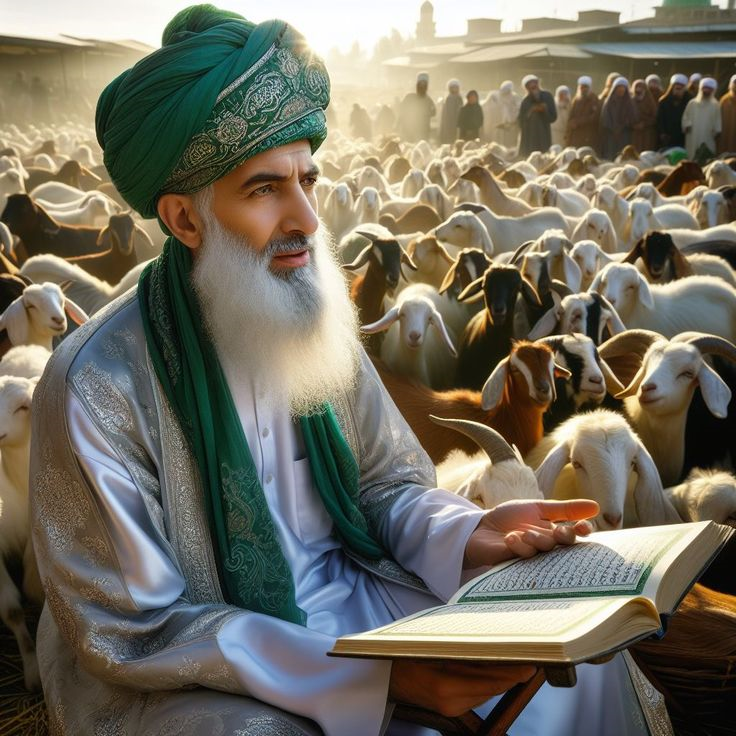
Talak Ahasan.
Meaning and Concept Talaq Ahsan is regarded as the most approved and proper form of divorce under Sunni Muslim Law. The word “Ahsan” means “best” […]
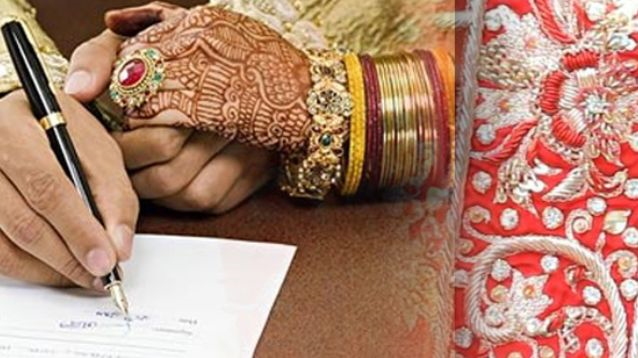
6. H married W1 in the year 1980 and lived with her for some time. Due to the cruel behaviour of H. W1 left him and started living with her parents. H married W2 in the year 1983 and never lock back for W1. W1 filled an application for divorce and maintenance on the grounds of cruelty. H filed a counter petition for Restitution of Conjugal rights against W1. Decide.
1. Facts of the Case ‘H’, a Hindu man, married W1 in the year 1980 according to Hindu customary rites. They lived together for some […]

5. A Sunni died leaving behind leaving behind his wife, father, mother, full brother.
1. Facts of the Case ‘A’, a Sunni Muslim male, dies intestate (without leaving a will). At the time of his death, he is survived […]