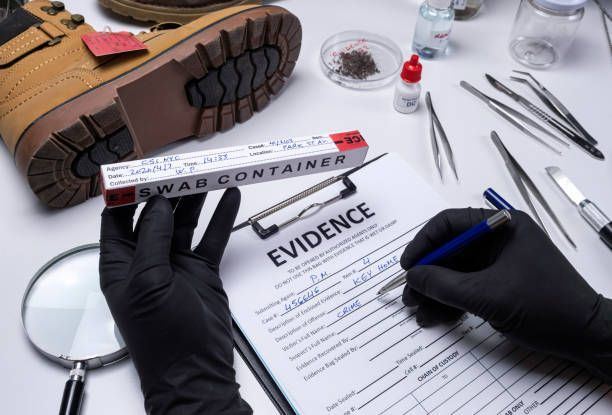
Facts of The Case
- A theft occurred at the complainant’s premises, and several valuable items were stolen.
- Shortly after the incident—within a reasonable and proximate time—the stolen goods were discovered in the possession of ‘X’.
- ‘X’ failed to produce any satisfactory explanation for possession of these goods.
- The prosecution argues that possession of recently stolen property indicates that ‘X’ is either the thief or a receiver of stolen property.
- ‘X’ claims he found the goods or received them from someone else but cannot provide credible proof.
- The trial court must determine what presumptions may be raised against ‘X’ under the Indian Evidence Act, 1872.
Issues in The Case
- What legal presumption arises when a person is found in possession of stolen goods soon after the theft?
- Whether such presumption is mandatory or discretionary?
- Whether the burden of proof shifts to ‘X’ to explain possession of the stolen property?
- Which provision of the Indian Evidence Act applies—Section 114 illustration (a) or any other relevant section?
Legal Principles Covered
(i) Section 114 — Court May Presume Certain Facts (Illustration (a))
The most important legal principle applicable here is Section 114 illustration (a) of the Indian Evidence Act, 1872.
- The Court may presume:
“A man who is in possession of stolen goods soon after the theft is either the thief or has received the goods knowing them to be stolen, unless he can account for his possession.”
Nature of Presumption
- This is a rebuttable presumption (discretionary), not mandatory.
- The prosecution must first prove:
- Theft occurred, and
- Stolen goods were found with the accused,
- Possession was soon after theft (proximity in time is essential).
- Once these elements are proved, the burden shifts to ‘X’ to provide a credible explanation for possession.
(ii) Section 106 — Burden of Proving Fact Especially Within Knowledge
- ‘X’ is in a special position to explain how he acquired the goods.
- Under Section 106, “the burden of proving a fact especially within the knowledge of any person is upon him.”
- Therefore, ‘X’ must explain:
- How he obtained the stolen goods,
- Why he possessed them so soon after theft.
(iii) Distinction Between Theft and Receiving Stolen Property
- If the goods are found immediately or soon after the theft, the court may presume ‘X’ to be the thief.
- If a longer time has elapsed, presumption leans more towards the offence of receiving stolen property under Section 411 IPC.
Relevant Case Laws
- Tulsiram Kanu v. State (AIR 1954 SC 1)
- Recent possession of stolen goods supports presumption of theft.
- Earabhadrappa v. State of Karnataka (1983) 2 SCC 330
- If possession is immediate and unexplained, presumption of murder and robbery may arise.
- Sanwat Khan v. State of Rajasthan (AIR 1956 SC 54)
- Time gap matters; presumption varies depending on proximity and nature of goods.
Possible Judgement
The Court may hold the following:
- The stolen goods were found in the exclusive and unexplained possession of ‘X’.
- Under Section 114 illustration (a) of the Indian Evidence Act, the Court may presume that ‘X’ is either:
- the thief, or
- a receiver of stolen property, depending on the time gap and surrounding circumstances.
- Since the possession was soon after the theft, the stronger presumption is that ‘X’ committed the theft.
- The burden shifted to ‘X’ to offer a credible explanation, which he failed to do.
- Therefore, the Court may conclude that:
- The presumption under Section 114 illustration (a) is justified;
- ‘X’ is guilty of theft under Section 379 IPC or at least of receiving stolen goods under Section 411 IPC.
About lawgnan
If you are involved in a theft case or facing allegations related to possession of stolen goods, understanding legal presumptions under the Indian Evidence Act is crucial. Lawgana.in provides accurate, reliable, and professionally drafted legal explanations to guide you through complex evidentiary principles like Section 114 illustration (a). Whether you are a student, lawyer, or litigant, our platform helps you understand how courts evaluate possession, burden of proof, and presumption of guilt or innocence. Visit Lawgana.in to explore detailed case analyses, legal notes, and expert insights that strengthen your legal knowledge and support you in real-world disputes.