

Introduction and Constitutional Basis The Pardoning Power of the President is enshrined under Article 72 of the Indian Constitution. It empowers the President to grant […]
Tag: constitutional law

Ordinance Making Power of the President
Introduction and Constitutional Basis The Ordinance-making power of the President is provided under Article 123 of the Indian Constitution. This article empowers the President to […]

Tortious Liability of State
Introduction and Constitutional Basis Tortious liability of the State refers to the State’s legal responsibility for wrongful acts (torts) committed by its servants or agents […]
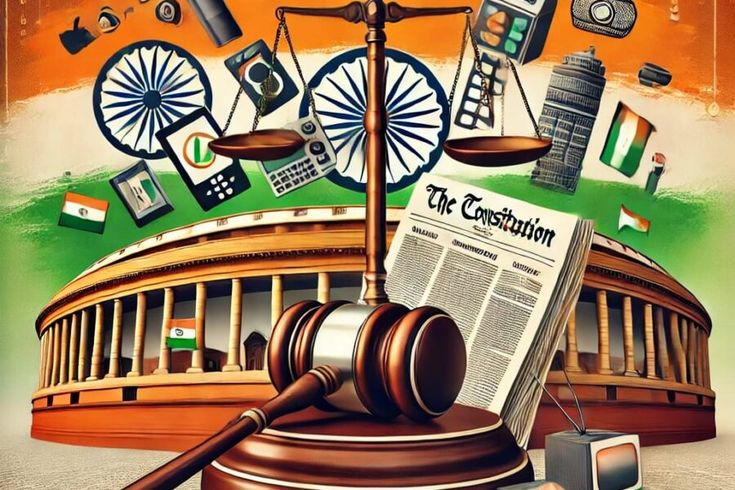
Impeachment of Supreme Court Judges.
Constitutional Basis The impeachment of Supreme Court judges is a constitutional process to remove a judge from office for proven misbehavior or incapacity. It is […]
Parliamentary Form of Government
Meaning and Constitutional Basis A Parliamentary Form of Government is a system where the executive is responsible to the legislature and derives its legitimacy from […]

Sovereign Functions of State
Meaning and Constitutional Basis Sovereign functions of the State refer to those powers and activities that only the State can perform, which are exclusive and […]

Advocate General
Introduction and Constitutional Basis The Advocate General is the highest law officer in a state and serves as the chief legal advisor to the State […]

Writ of Certiorari
Introduction and Constitutional Basis The Writ of Certiorari is one of the five constitutional writs provided under Article 32 and Article 226 of the Indian […]

President’s Rule in States
Introduction and Constitutional Basis The President’s Rule in States is provided under Article 356 of the Indian Constitution. It is also known as State Emergency […]

UPSC
Introduction and Constitutional Basis The Union Public Service Commission (UPSC) is the central recruiting agency in India, established under Article 315 of the Constitution of […]