
Facts of the Case Issues of the Case Legal Principles Covered A. Sections 61 to 65 of the Indian Evidence Act Section 61 – Proof […]
Tag: Indian Evidence Act

There is a dispute between A and B (neighbours) with regard to the right of way and right of easement. A made a statement that he acquired the right of way since his great grand fathers. What is the relevant provision of the Indian Evidence Act to deal with relevancy and admissibility of A’s statement? Explain.
Facts of The Case Issues in the Case Legal Principles Covered (i) Section 32(4) — Statements of Persons Who Cannot Be Called as Witnesses This […]
Soon after commission of theft, stolen goods are found in possession of ‘X’. What type of presumption can be raised by the court in the trial of ‘X’? Refer to relevant provision of the Indian Evidence Act
Facts of The Case Issues in The Case Legal Principles Covered (i) Section 114 — Court May Presume Certain Facts (Illustration (a)) The most important […]

‘A’ agrees, in writing, to sell his car to ‘B’ for Rs. 1,00,000/- or Rs. 1,50,000/-. ‘A’ tries to produce oral evidence to show which price was to be given. Is it permissible? Discuss.
Facts of The Case Issues in The Case Legal Principles Covered (i) Section 91 — Evidence of Terms of Contracts, Grants and Dispositions of Property […]

‘X’ was charged for committing murder of his wife. He wrote a letter, addressing the police inspector, that he himself has committed murder of his wife and he will surrender to the police after fifteen days. This letter was kept near the dead body of his wife and found by the sub-inspector of police. Is the letter admissible in evidence? Discuss.
Facts of the Case Issues in the Case Legal Principles Covered to Support Case Proceedings and Judgments A. Section 25 – Confession to a Police […]
A statement was made by an young boy to his mother shortly after indecent assault on him by the offender. Is it admissible as res gestae? Discuss.
Facts of the Case Issues in the Case Legal Principles Covered to Support Case Proceedings and Judgments A. Section 6 – Res Gestae (Indian Evidence […]
The question is, whether, and when, A and B were married. Does an entry in the memorandum book by C, the deceased father of B, of his daughter’s marriage with ‘A’ on a given date, become a relevant fact.
Facts of the Case The court must determine whether this entry is relevant and admissible under the Evidence Act. Issues in the Case Legal Principles […]
‘X’ in order to prove his nativity, brings a photostat copy of the certificate issued by the revenue office. Can it be relied upon?
Facts of the Case Issues in the Case Legal Principles Covered to Support Case Proceedings and Judgements A. Section 61 – Proof of Contents of […]

‘A’ made a Statement to ‘B’ that he was the owner of the property. ‘B’ believed it and purchased the property. In fact, ‘A’ was not the owner at the time of sale but subsequently he became the owner. ‘A’ files a suit to set aside the sale on the ground that, at the time of the sate, he had no title. Can he succeed? Decide.
Facts of the Case Issues in the Case Legal Principles Supporting the Case Proceedings A. Section 115 – Estoppel (Indian Evidence Act, 1872) This section […]
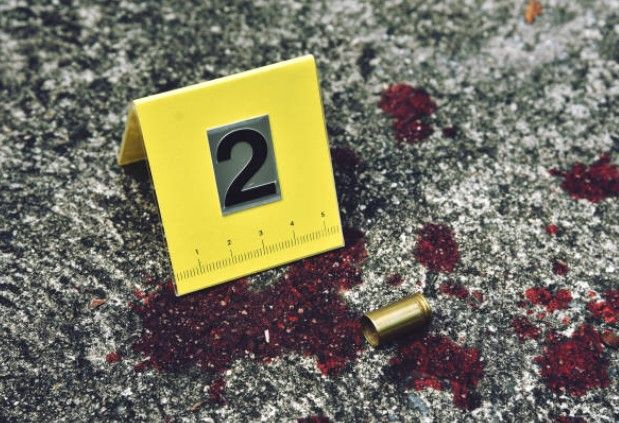
‘X’ and ‘Y’ are jointly tried for the murder of ‘Z’. ‘X’ made a statement that “I myself and ‘Y’ murdered ‘Z’. The prosecution intends to use this statement against ‘Y’. Is it relevant? Discuss.
Facts of the Case Issues in the Case Legal Principles Supporting Case Proceedings and Judgements Section 30 – Indian Evidence Act, 1872 Section 30 deals […]