
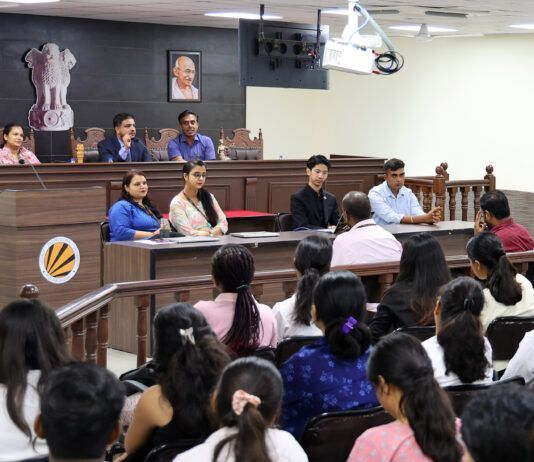
Cross-Examination Under the Indian Evidence Act: Meaning, Scope & Types of Questions Allowed Cross-examination is one of the most essential tools in the Indian judicial […]
Tag: lawgana

What are the stages in the examination of witnesses?
Importance of Witness Examination in Judicial Proceedings The examination of witnesses is one of the most crucial components of a judicial trial. Witness testimony forms […]

What are the presumptions as to documents?
Presumptions regarding documents play a crucial role under the Indian Evidence Act, 1872. These statutory presumptions help courts treat certain documents as genuine unless proven […]

When statements by persons who cannot be called as “witnesses” are relevant?
The Indian Evidence Act, 1872 lays down the rules for admitting and evaluating evidence in judicial proceedings. One important exception to the rule of direct […]
When facts not otherwise relevant become relevant?
When Facts Not Otherwise Relevant Become Relevant – A Detailed Analysis The Indian Evidence Act, 1872 creates a clear framework around what constitutes relevant facts […]

Plea of alibi
Meaning and Legal Basis of Plea of Alibi The plea of alibi is a defense raised by an accused claiming that they were at a […]

Irrebuttable Presumption
Meaning and Nature of Irrebuttable Presumption An irrebuttable presumption, also known as conclusive proof, refers to a legal rule where once a fact is presumed […]

Competence of the Witness
Meaning and Legal Basis The competence of a witness refers to the legal capacity of a person to appear in court and provide testimony. Under […]

Facts in Issue
Meaning and Legal Basis Facts in Issue are the material facts that the court needs to determine in order to decide the case. They are […]

Child Witness.
Meaning and Legal Basis A Child Witness is a minor who gives testimony in a legal proceeding about events they have observed or experienced. Under […]