

Facts of the Case ‘X’ was charged with the murder of his wife. Issues in the Case Legal Principles Covered to Support Case Proceedings and […]
Tag: Indian judiciary
Huge unaccounted currency was found in the Chambers of a Judge of Higher Judiciary. When the Police wanted to proceed against the Judge under the Prevention of Corruption Act, 1988, he took the plea that he is not a ‘Public Servant’ therefore not within the purview of the Act. Decide.
Facts of the Case Huge quantities of unaccounted currency were discovered in the chambers of a Judge belonging to the Higher Judiciary (High Court or […]
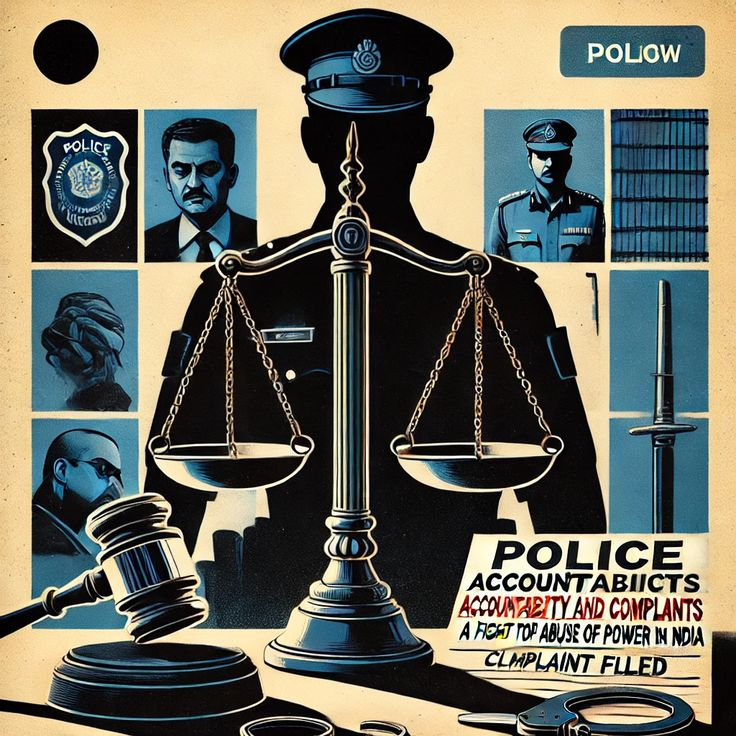
The police fired on a violent mob which tried to attack a police station where an accused wa kept. To diffuse the situation. Lathi charge was also made. In the process 10 persons go injured seriously. ANGO filed a PIL in the High Court seeking damages from the police for the injured. Is such PIL maintainable and the damages payable? Decide.
Facts of the Case A violent mob gathered near a police station attempting to attack the premises in order to harm an accused who was […]

A person, unhappy with the judgment in an appeal decided by a High court, made personal allegations against the judges of the Bench. Decide whether such action invites contempt of court, with reasons.
Facts of the Case A person filed an appeal before the High Court. After hearing both sides, the High Court delivered its judgment. The person, […]
Explain the various jurisdictions exercised by the Supreme Court of India.
Understanding the Various Jurisdictions Exercised by the Supreme Court of India The Supreme Court of India is the highest judicial authority in the country and […]

Explain Appointment of Judges, Powers and Jurisdiction relating to the Supreme Court.
Constitutional Foundation and Significance The Supreme Court of India serves as the apex judicial authority in the country, established under Article 124 of the Constitution. […]

Tortious Liability of the State in India: An In-Depth Analysis The State, as a sovereign authority, is entrusted with powers to govern, regulate, and maintain […]

Analyse the Doctrine of Repugnancy with the help of decided cases
Doctrine of Repugnancy under the Indian Constitution The Doctrine of Repugnancy is a key principle in Constitutional Law, ensuring harmony between the laws made by […]
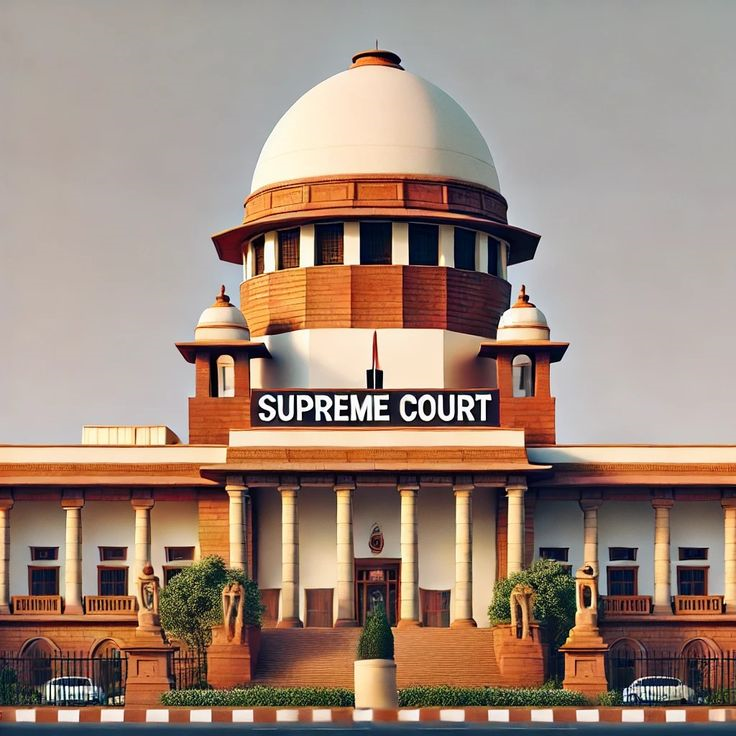
Explain the different types of Jurisdictions exercised by Supreme Court of India
Supreme Court as the Apex Judicial Authority The Supreme Court of India, established under Article 124 of the Constitution, is the highest judicial authority in […]
Prospective Overruling
Meaning and Origin Prospective Overruling is a judicial principle under which a court decision is applied only to future cases and not retrospectively. This doctrine […]