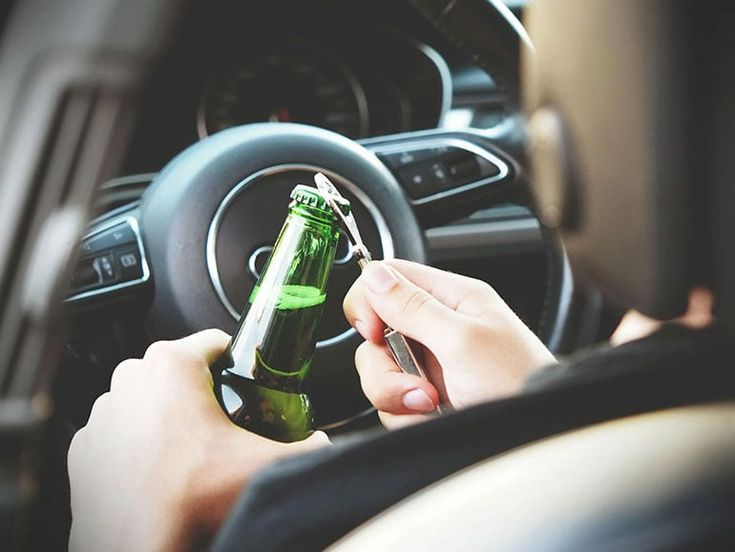
Understanding Intoxication in Criminal Liability
Intoxication plays a significant role in many criminal cases across India. The Indian Penal Code (IPC), drafted with deep insight into human behavior and societal risks, acknowledges that intoxication can impair a person’s judgment, self-control, and decision-making capacity. However, the law also protects society by ensuring that intoxication is not misused as an excuse for wrongdoing. Sections 85 and 86 of the IPC lay down clear principles governing the liability of intoxicated persons. These provisions differentiate between voluntary intoxication, where a person purposely consumes alcohol or drugs, and involuntary intoxication, where a person is intoxicated without awareness or by force.
The foundation of criminal jurisprudence is the requirement of a guilty mind (mens rea). A crime is not merely the commission of a prohibited act but the mental intent behind it. Therefore, when intoxication interferes with the ability to form mens rea, the question arises whether the accused can still be held criminally liable. The IPC answers this with a balanced approach: a person who chooses to intoxicate himself cannot later claim innocence, but a person who is intoxicated against his will is treated differently. This distinction ensures fairness while also upholding public safety.
Legal Framework: Sections 85 and 86 IPC Explained
Section 85 — Involuntary Intoxication as a Defense
Section 85 of the IPC states that nothing is an offence if the act is done by a person who, at the time of doing it, is incapable of understanding the nature of the act due to intoxication caused against his will or without his knowledge. This provision treats involuntary intoxication similar to insanity under Section 84 IPC. The logic is simple: a person who did not voluntarily consume intoxicants should not be punished for something he could not understand or control.
This section applies only if:
- The intoxication was not self-induced.
- The person was incapable of understanding the act or its consequences.
- The incapacity was directly caused by the intoxication.
A high burden of proof lies on the accused. He must show that he had no clue that the drink was spiked, drugged, or forced upon him. Courts carefully evaluate evidence to avoid misuse of this defense because fabricated intoxication claims can obstruct justice. Yet, when genuine, Section 85 acts as a shield protecting innocent individuals from unjust punishment.
Section 86 — Voluntary Intoxication and Presumption of Knowledge
Section 86 of the IPC addresses the more common scenario—voluntary intoxication. It lays down that if a person voluntarily consumes alcohol or drugs and commits an offence, the law presumes that he had the same knowledge as he would have had if sober. This means that voluntary intoxication is not a defense. The accused remains criminally liable because he knowingly created a risky condition for himself.
For example:
- If a drunken man assaults another person, he cannot claim he was “too drunk to understand.”
- If he causes death by reckless drunken driving, he is liable.
Importantly, Section 86 makes a distinction between knowledge and intention. While knowledge is always presumed in voluntary intoxication, intention is not always presumed because a drunken mind may not be capable of forming a specific intention. However, this distinction rarely helps the accused in serious crimes because voluntary consumption itself is treated as negligence or recklessness.
The underlying policy is deterrence. If voluntary intoxication were allowed as a defense, it would encourage offenders to deliberately intoxicate themselves before committing crimes.
Judicial Approach and Interpretation
Indian courts have consistently upheld the principle that voluntary intoxication cannot shield a person from criminal liability. Courts have held that a person who knowingly consumes intoxicants accepts the risk of losing self-control. Therefore, he must bear the legal consequences of his actions.
In several cases, the Supreme Court has emphasized that drunkenness cannot reduce the seriousness of offences like murder, rape, or grievous hurt. Courts have also rejected pleas where accused persons attempted to escape liability by claiming that intoxication “clouded their intent.”
However, courts have shown compassion in cases of involuntary intoxication. When an accused proves that intoxication was forced or accidental, courts treat him as lacking mens rea and apply Section 85 to exempt him from liability. But such cases require strong evidence. Courts examine witness statements, forensic reports, and surrounding circumstances before granting this defense.
The judiciary’s approach ensures two things:
- Protection of innocent persons who never intended to consume intoxicants.
- Deterrence against voluntary intoxication being used as a legal loophole.
Real-Time Example
Consider this practical scenario:
A young man named Vikram attends a corporate party. During the event, someone secretly mixes a strong intoxicating substance into his drink. Within minutes, he becomes disoriented and loses awareness of his actions. In this confused state, he mistakenly breaks valuable property in the venue and is later charged with mischief. Vikram can invoke Section 85, arguing that his intoxication was involuntary and that he had no knowledge or intention to cause damage. If evidence supports his claim—like CCTV footage showing someone tampering with his drink—he will not be held criminally liable.
Now contrast this with another scenario:
Rohit, after voluntarily consuming alcohol beyond his limit, gets into a heated argument and assaults a passerby on the way home. Later he claims, “I didn’t know what I was doing because I was drunk.” Under Section 86, this defense is invalid. His intoxication was self-induced, and the law presumes he had knowledge of his actions. Rohit remains fully liable for the offence of causing hurt.
These examples show how the IPC fairly distinguishes between innocent impairment and deliberate irresponsibility.
Mnemonic to Remember the Concepts
Mnemonic Sentence:
“Forced Drink Forgives; Self-Drink Sinks.”
Meaning:
- Forced Drink Forgives → Section 85 protects those intoxicated against their will.
- Self-Drink Sinks → Section 86 makes voluntarily intoxicated persons fully liable.
About lawgnan
To understand Intoxication and Criminal Liability under IPC in a simple, exam-ready, and practical manner, visit Lawgnan.in, your trusted platform for clear legal explanations, case laws, illustrations, and mnemonics. Whether you’re preparing for Judiciary, CLAT PG, UPSC Law Optional, or LL.B. exams, Lawgnan.in offers structured notes on Sections 85 and 86 IPC, voluntary vs involuntary intoxication, mens rea principles, and landmark judgments. Strengthen your legal foundation with easy-to-read summaries and real examples designed for students, professionals, and researchers. Explore more high-quality legal content—start learning smarter at Lawgnan.in today.