Meaning and Central Role of Cross-Examination
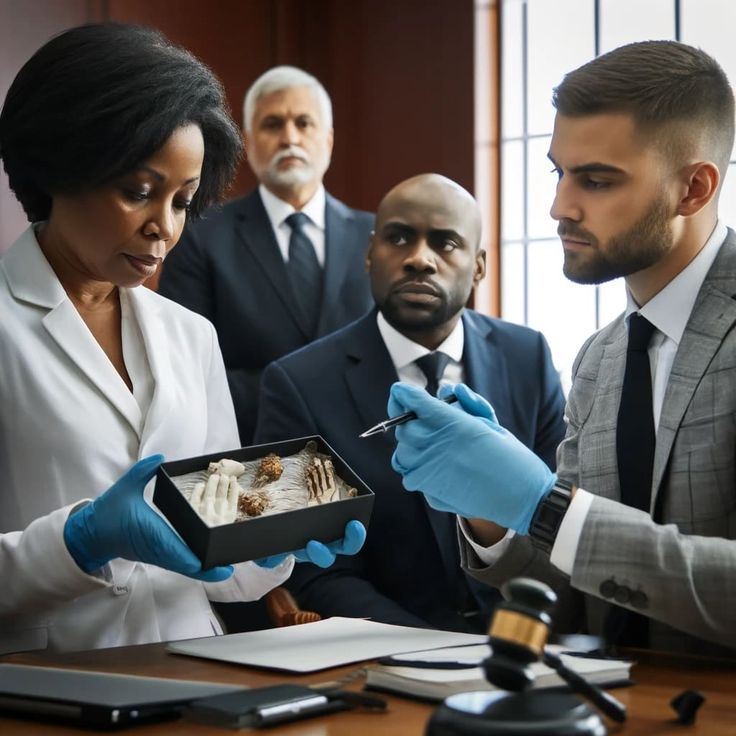
Cross-examination is one of the most powerful and essential tools in the judicial process. It is the process of questioning a witness by the adverse party to test the truth of the statements made in examination-in-chief. Under Sections 137 and 138 of the Indian Evidence Act, 1872, cross-examination is recognized as a legal right, not a mere procedural formality. Courts around the world treat cross-examination as the greatest safeguard of justice because it allows systematic scrutiny of the reliability, credibility, and truthfulness of a witness.
Cross-examination helps the court assess the accuracy of evidence by exposing exaggerations, inconsistencies, motives, or biases. It ensures that no statement is accepted blindly and that every material fact undergoes verification. In the absence of cross-examination, testimonies would be one-sided, often leading to wrongful convictions or unjust acquittals. Thus, it acts as a bridge between truth and justice.
In human terms, cross-examination is the moment when a witness’s story is tested under pressure. It’s where truth emerges clearly because the opposing lawyer presents alternative possibilities, contradictions, and questions that reveal what is genuine and what is doubtful. The entire structure of a fair trial depends on this process.
Nature of Cross-Examination
The nature of cross-examination is adversarial, strategic, and investigative. Unlike examination-in-chief, which seeks to present a coherent narrative, cross-examination aims to break that narrative and test it. Section 146 of the Evidence Act allows the adverse party to ask questions that test the veracity of the witness, uncover their motives, and assess their character when relevant. This includes questions intended to shake the credibility of the witness.
Cross-examination is not limited to the facts stated in the examination-in-chief. The opposite side may ask leading questions freely, which is permitted under Section 143. Leading questions help pinpoint exact details and expose contradictions. The scope of questioning is broader than in examination-in-chief because the objective is to dismantle the witness’s version if it is unreliable.
At its core, cross-examination is guided by principles of logic, psychology, and law. A skilled cross-examiner uses precise wording, tone, timing, and strategy to reveal inconsistencies. The witness may be confronted with previous statements, documentary evidence, or circumstantial contradictions. Thus, the nature of cross-examination combines technique, law, and insight into human behavior to ensure evidence is reliable.
Scope of Cross-Examination under the Evidence Act
The scope of cross-examination is extensive and is designed to uncover the whole truth. Under Section 138, a witness may be cross-examined on any relevant fact and also on matters affecting credibility. This includes:
1. Testing the accuracy of statements
The cross-examiner may ask questions about facts the witness claims to know, their sources of knowledge, and the circumstances in which they observed the events.
2. Revealing bias, interest, or motive
If a witness has personal interest, hostility, financial motive, or emotional involvement, cross-examination exposes it. Courts consider such aspects to determine reliability.
3. Contradicting previous statements
Under Section 155, the witness may be contradicted using earlier statements or records. This is particularly important to highlight inconsistencies.
4. Impeaching credibility
The cross-examiner may question the witness regarding character, past falsehoods, or conduct that affects truthfulness, subject to limitations in the Act.
5. Clarifying ambiguities
Any part of the testimony that appears vague or unclear can be probed to ensure accuracy.
Thus, the scope extends beyond mere contradiction to exposing every aspect that can influence truth. It ensures that a witness does not mislead the court—intentionally or unintentionally.
Purpose of Cross-Examination
The primary purpose of cross-examination is to assist the court in determining the truth. In legal practice, it serves the following major objectives:
1. To test the credibility of the witness
The main function is to verify whether the witness is telling the truth. An unreliable or biased witness may distort facts, and cross-examination reveals this.
2. To elicit facts favorable to the cross-examiner’s case
A skillful cross-examiner may extract statements that support their own version of events. This is often done by asking leading questions.
3. To detect inconsistencies or exaggerations
Human memory is imperfect. Cross-examination identifies gaps, contradictions, or fabricated portions of the testimony.
4. To weaken or destroy the opponent’s case
If the main witness of the prosecution or defense is discredited, the entire case may collapse. Effective cross-examination achieves this lawfully.
5. To ensure fairness and prevent injustice
Cross-examination protects against wrongful convictions and false testimonies. It ensures transparency and a balanced trial process.
Therefore, the purpose is not merely to challenge the witness but to assist the court in arriving at the correct conclusion based on verified facts.
When Can a Party Cross-Examine Their Own Witness?
Generally, a party cannot cross-examine their own witness because cross-examination implies hostility. However, under Section 154, the court may allow a party to cross-examine its own witness if the witness turns hostile or gives testimony contrary to their earlier statements.
A “hostile witness” is one who shows an intention to conceal truth or gives statements unfavorable to the party who called them. In such cases, leading questions and contradiction by previous statements become permissible. This provision ensures that truth is not buried due to manipulation, fear, or external pressure on the witness.
Mnemonic to Remember the Purpose and Scope of Cross-Examination
Use the mnemonic: “T-R-I-C-K”
- T – Test Truthfulness
- R – Reveal Motives & Bias
- I – Identify Inconsistencies
- C – Clarify Ambiguities
- K – Kill (Weaken) Opponent’s Case
About lawgnan
If you are preparing for judiciary exams, law school exams, or want to strengthen your litigation skills, mastering cross-examination is essential. On Lawgana.in, you can access more legal explanations, case laws, structured notes, and memory aids designed for students and professionals. Cross-examination is the heart of courtroom advocacy, and learning its techniques will enhance your confidence and clarity as a future advocate. Visit Lawgana.in today to explore expert-written legal guides, subject-wise explanations, and high-quality study materials that make complex concepts simple, practical, and exam-ready. Strengthen your legal journey with Lawgana.in — where knowledge meets clarity.