
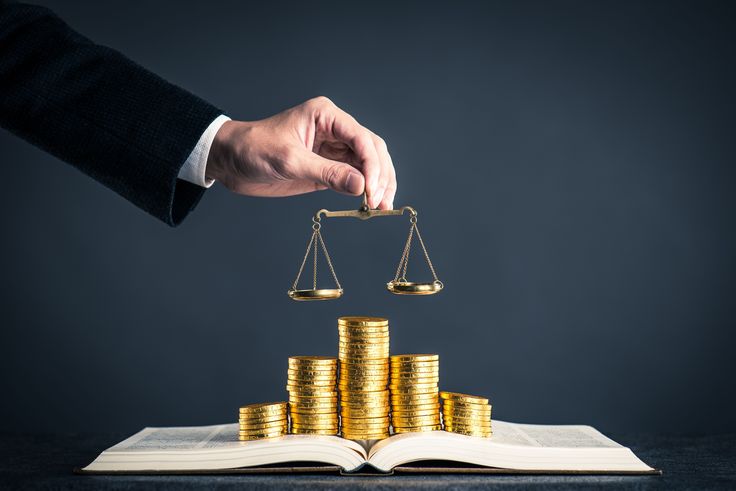
Provisions of the Companies Act
The buy-back of shares by a company is a significant corporate financial mechanism that allows a company to repurchase its own shares from shareholders. Under Indian corporate law, this process is primarily governed by the Companies Act, 1956, along with relevant rules and regulations framed by the Securities and Exchange Board of India (SEBI). Understanding these provisions is crucial for corporate managers, investors, and legal professionals as it involves capital structure management, shareholder rights, and compliance with statutory limits.
Understanding Buy-Back of Shares
A buy-back of shares occurs when a company purchases its own shares from the existing shareholders. This can be done from the open market, by tender offer, or from other sources as permitted under the law. Companies may choose to buy back shares for several reasons, including improving financial ratios, returning surplus cash to shareholders, consolidating ownership, or preventing hostile takeovers.
The Companies Act, 1956, provides clear guidelines regarding eligibility, procedures, funding, and limitations to ensure that the interests of shareholders and creditors are safeguarded. While the Act has been largely replaced by the Companies Act, 2013 in current practice, understanding the 1956 provisions is essential from a historical and legal perspective.
Legal Provisions Under the Companies Act, 1956
Eligibility for Buy-Back
According to Section 77A of the Companies Act, 1956 (introduced via amendments), a company can buy back shares only if it satisfies the following conditions:
- Solvency Condition: The company must be solvent, meaning it must be able to pay its debts as they fall due. This ensures that the buy-back does not jeopardize the company’s financial stability.
- Profitability Condition: The company should have adequate profits or reserves available to fund the buy-back. This includes free reserves, securities premium account, or proceeds of the issue of shares made for the purpose of buy-back.
These conditions ensure that a company does not misuse shareholders’ funds for repurchasing shares at the cost of its operational viability.
Sources of Buy-Back Funds
The Companies Act, 1956, specifically mandates that buy-back must be made from:
- Free reserves: Retained earnings or surplus accumulated from business operations.
- Securities premium account: Premium received on the issuance of shares.
- Proceeds of any shares or debentures bought back: Provided that such funds are used for the express purpose of buy-back.
This provision ensures transparency in the source of funds and maintains the financial health of the company.
Maximum Limit of Buy-Back
A company cannot buy back more than 25% of the paid-up capital and free reserves of the company in a financial year. Furthermore, the buy-back should not exceed 10% of the total paid-up equity capital of the company in any particular buy-back transaction.
This limitation ensures that a company does not overextend itself, protecting the interests of creditors and minority shareholders.
Procedure for Buy-Back
The Act provides a systematic procedure to ensure legality and fairness in the buy-back process:
- Board Resolution: The buy-back proposal must first be approved by the Board of Directors.
- Special Resolution: In the case of public companies, approval through a special resolution in a general meeting may be required.
- Declaration of Solvency: The Board must declare that the company is solvent and capable of meeting its debts after the buy-back.
- Offer to Shareholders: Companies must make an offer to all shareholders (except in cases of buy-back from the market) on a pro-rata basis, ensuring fair treatment.
This structured procedure prevents arbitrary buy-back decisions and ensures equitable treatment of all shareholders.
Restrictions on Buy-Back
Certain restrictions are imposed under the Companies Act, 1956 to protect financial stability and shareholder interests:
- Debt Limitations: A company cannot borrow funds to finance the buy-back except in specific cases permitted by law.
- No Buy-Back During Certain Periods: Companies cannot buy back shares immediately after issuing new shares. A cooling-off period is prescribed to avoid misuse.
- Compliance with SEBI Regulations: For listed companies, SEBI regulations impose additional requirements to ensure transparency and prevent price manipulation.
These restrictions highlight the law’s emphasis on maintaining a balance between corporate flexibility and protection of stakeholders.
Reporting and Compliance
After completing the buy-back, companies must comply with statutory reporting requirements:
- Filing with Registrar of Companies (RoC): Companies must file a return of buy-back with the RoC.
- Disclosure in Financial Statements: Buy-back transactions must be disclosed in the annual accounts, indicating the number of shares bought back and the total consideration paid.
Compliance ensures accountability and provides investors with clear insights into the company’s capital management strategy.
Impact of Buy-Back
The buy-back of shares impacts the company and its shareholders in several ways:
- Improved Earnings per Share (EPS): Reduction in outstanding shares often increases EPS.
- Enhanced Shareholder Value: Returning surplus funds boosts investor confidence and market perception.
- Control over Ownership: Buy-back can consolidate control and prevent hostile takeovers.
However, companies must balance these advantages with the financial cost to ensure long-term sustainability.
About Lawgnan
If you are a corporate professional, investor, or legal advisor seeking clarity on the buy-back of shares under Indian law, now is the time to deepen your understanding. Learn how the Companies Act, 1956, provides a structured framework to protect shareholder and creditor interests while allowing companies to optimize capital. Visit lawgana.in to explore detailed guides, expert analyses, and practical insights on buy-back procedures, funding sources, limits, and compliance requirements. Stay informed about the legal intricacies, improve corporate governance strategies, and make sound financial decisions. Don’t miss the opportunity to strengthen your corporate knowledge today!


