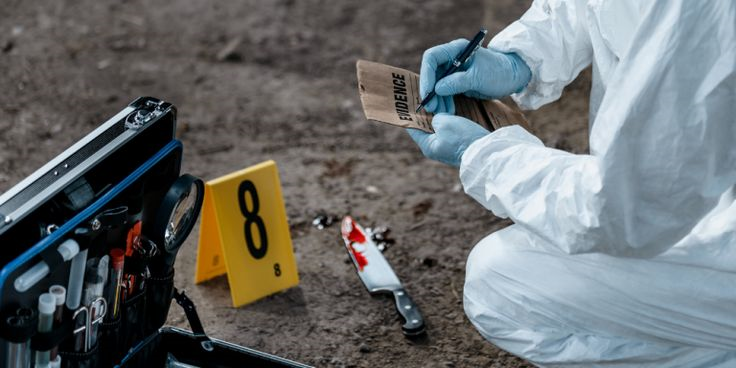
Facts of the Case
- A physically assaulted B.
- As a result of the beating, B became unconscious but was still alive.
- A mistakenly believed that B had died due to the beating.
- To destroy evidence and avoid liability, A placed B—who appeared to be a dead body—into a bag.
- A then threw the bag into a river.
- B died due to drowning, as confirmed by post-mortem examination.
- The issue is to determine A’s criminal liability for both the assault and the subsequent act causing actual death.
Issues in the Case
- Whether A is guilty of murder even though he believed B was already dead?
- Whether the initial beating, which only caused unconsciousness, constitutes a separate offence?
- Does A’s mistaken belief that B was dead provide any defence?
- Whether A had the mens rea (intention or knowledge) required under Section 300 IPC?
- Under what section should A be punished for causing the actual death by drowning?
Legal Principles Covered
A. Section 299 & 300 IPC – Culpable Homicide and Murder
To be guilty of murder, the accused must have:
- Intention to cause death, or
- Knowledge that his act is likely to cause death.
Here:
A knowingly threw B (alive or dead) into a river, which is an act likely to cause death.
This satisfies the knowledge requirement under Section 300 Fourthly.
B. Mistake of Fact Does NOT Excuse Actual Killings
Even if A believed B was dead, throwing a human body into a river is an act so imminently dangerous that it will, in all probability, cause death if the person is alive.
Thus, A’s mistaken belief does not provide a defence.
C. Doctrine of “Transferred Mens Rea” (Applied by Courts)
Since the final act (throwing into river) directly caused the death, A is liable for the final fatal act.
D. Relevant IPC Sections
Section 302 IPC – Murder
A is liable for murder because:
- He committed an act knowing it to be imminently dangerous.
- His act actually caused death (drowning).
Section 201 IPC – Causing disappearance of evidence of offence
A attempted to destroy evidence by disposing of what he thought was a dead body.
Punishment: Up to 7 years + fine (when the offence is murder).
Section 323 IPC – Voluntarily causing hurt
The initial beating caused unconsciousness, not death.
Thus A is also liable for voluntarily causing hurt.
Section 511 IPC – Attempt to commit murder (Not applicable here)
Because the death actually occurred, this is not an attempt—it is completed murder.
E. Case Law Support
Courts have held:
- If a person believes someone is dead and then commits an act that actually kills the victim, the accused is guilty of murder.
- The mistaken belief does not reduce the liability.
Examples:
Cases involving victims buried alive, thrown into wells, or left to die after assault.
Possible Judgment
1. Liability of A for Murder (Section 302 IPC)
A intentionally performed an act—throwing an unconscious man into a river—knowing that such an act is certain or almost certain to cause death if the person is alive.
Thus, A is guilty of murder under Section 302 IPC.
2. Liability for Causing Disappearance of Evidence (Section 201 IPC)
A attempted to destroy evidence by throwing the body in a river.
Liable under Section 201 IPC.
3. Liability for Causing Hurt (Section 323 IPC)
The initial beating made B unconscious.
Thus, A is also liable for voluntarily causing hurt.
4. Final Conclusion
A is guilty of:
- Murder (Section 302 IPC)
- Causing disappearance of evidence (Section 201 IPC)
- Voluntarily causing hurt (Section 323 IPC)
His mistaken belief that B was already dead does not reduce or excuse his liability.
About lawgnan
Understanding the legal consequences of actions taken under mistaken belief is crucial in criminal law. When a person causes death through a reckless or dangerous act, the law does not excuse them simply because they thought the victim was already dead. Lawgana.in helps you learn how Indian courts interpret such cases under Sections 302, 201, and 323 of the IPC. Explore legal guidance, case laws, and expert explanations to strengthen your criminal law knowledge. Whether you’re a student, litigant, or legal researcher, visit Lawgana.in for accurate, practical, and updated legal content. Empower yourself with the right legal insights today.