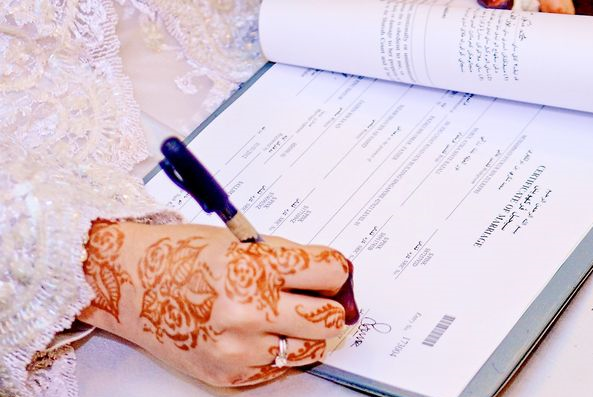
Understanding the Concept of Muta Marriage in Muslim Law
In Muslim law, marriage is considered both a civil contract and a sacred union. While the Sunni law generally recognizes only permanent marriage (Nikah), the Shia law—especially among the Ithna Ashari (Twelver Shias)—also recognizes a temporary form of marriage called Muta Marriage. The term “Muta” is derived from the Arabic word meaning enjoyment or pleasure. This form of marriage was originally permitted during the early period of Islam to meet specific social and moral needs, particularly when men were away for long durations during wars or travel. The incidents or features of Muta marriage vary between Sunni and Shia interpretations, leading to different legal consequences.
In India, matters relating to Muslim marriage, including Muta, are governed by personal law under the Muslim Personal Law (Shariat) Application Act, 1937. However, since Muta marriage is recognized only under Shia law, its legal validity depends upon the sect to which the parties belong.
1. Meaning and Nature of Muta Marriage
Muta marriage is a temporary union between a man and a woman for a fixed period and on a specified dower (mahr). The essential elements include:
- Free consent of both parties.
- Fixed duration (it may be a few hours, days, or years).
- Specified dower amount agreed upon at the time of contract.
Unlike permanent marriage (Nikah), Muta does not create mutual rights of inheritance or maintenance beyond the stipulated period. Upon the expiration of the agreed time, the marriage automatically dissolves without the need for talaq (divorce). Under Shia law, Muta is considered valid and lawful if the formalities are properly observed, whereas under Sunni law, it is considered void and illegal, as Sunnis believe it was prohibited by Prophet Muhammad (PBUH) after being temporarily permitted.
2. Recognition under Shia Law
Under Shia law, particularly the Ithna Ashari school, Muta marriage is a legally recognized institution. The main features include:
- Duration: The term must be fixed at the time of the contract. If no time is specified, it is treated as a permanent marriage.
- Dower (Mahr): It must be agreed upon; if omitted, the contract is void.
- Mutual Consent: Both parties must be of sound mind, major, and capable of contracting marriage.
- Dissolution: The marriage automatically terminates after the period expires, without talaq.
- Children: The children born out of Muta marriage are considered legitimate and have the right to inherit from both parents.
- No Mutual Inheritance: However, the spouses themselves do not inherit from each other.
The Shia jurists view Muta as a socially useful contract, particularly in cases where permanent marriage is not feasible. It provides moral legitimacy to relationships that would otherwise be unlawful.
3. Position under Sunni Law
In contrast, under Sunni law, Muta marriage is void (Batil) and prohibited. The Sunnis believe that the Prophet Muhammad (PBUH) initially permitted Muta during military expeditions but later permanently abolished it through divine command. Therefore, a Muta contract under Sunni law has no legal sanctity, and any relationship formed through it is considered illicit (Zina).
According to Sunni jurists, a valid marriage (Nikah) must be permanent and must include the intention of establishing a lifelong union. A fixed-term marriage violates this essential condition. The Sunnis also argue that the concept of Muta contradicts the moral and spiritual foundation of marriage in Islam, which is based on stability, fidelity, and family continuity. As a result, Indian courts have held that Muta marriages are void for Sunni Muslims and confer no rights upon the parties except those of illegitimate cohabitation unless converted into a permanent Nikah.
4. Legal Incidents and Consequences of Muta Marriage
The legal incidents or effects of Muta marriage differ significantly from those of permanent marriages:
- Legitimacy of Children: Children born out of a valid Muta marriage are legitimate and entitled to inheritance from both parents under Shia law, as recognized in Section 112 of the Indian Evidence Act, 1872, which presumes legitimacy of children born during valid wedlock.
- No Mutual Inheritance: The spouses do not inherit from each other upon death.
- Dower (Mahr): The wife is entitled to the full dower if the marriage is consummated. If the husband terminates the marriage before the expiry of the period, she is entitled to half of the agreed mahr.
- Maintenance: The husband is not bound to maintain the wife after the period ends unless agreed upon in the contract.
- Iddat Period: After the expiry or termination of the Muta marriage, the woman must observe an iddat period of two menstrual cycles before remarrying.
These incidents clearly distinguish Muta from a permanent marriage, emphasizing its contractual and temporary nature.
5. Judicial View and Modern Relevance
The Indian judiciary has recognized the validity of Muta marriage among Shias but not among Sunnis. In A. Yousuf Rawther v. Sowramma (1971), the Kerala High Court noted that Muslim marriage is primarily a civil contract, but in the case of Muta, it is a special kind recognized only within certain sects. Furthermore, in Gulam Abbas v. Razia Begum (1951), the Allahabad High Court upheld the legitimacy of a child born from a valid Muta marriage under Shia law.
In modern times, Muta marriage remains controversial, especially in societies advocating gender equality. Critics argue that it may be misused to justify temporary relationships under the guise of legality. However, supporters claim that Muta marriage serves as a pragmatic solution for individuals who cannot engage in permanent marriage due to social or financial constraints.
Real-Time Example
A real-life example can be drawn from a Shia community case in Hyderabad, where a man contracted a Muta marriage for six months with a woman while working abroad. The agreement included a fixed mahr and conditions regarding maintenance. After the expiration period, the marriage automatically ended, and the woman observed iddat before remarrying. When a property dispute arose later, the court recognized the child from this marriage as legitimate under Shia law, granting inheritance rights from the father. This case illustrates how the validity and consequences of Muta marriage depend entirely on the sect of the parties involved.
Mnemonic to Remember the Incidents of Muta Marriage
Mnemonic: “MUTAAH RULE”
- M – Mutually agreed duration and dower
- U – Under Shia law valid; under Sunni law void
- T – Termination automatic after period expires
- A – Agreement-based contract, not lifelong
- A – Automatic legitimacy of children (Shia law)
- H – Husband’s maintenance limited to contract
- R – Rights of inheritance only for children
- U – Unrecognized by Sunni law (Batil)
- L – Legal dower (Mahr) mandatory
- E – End without divorce, Iddat compulsory
This mnemonic helps in remembering the legal incidents and contrasting positions of Muta marriage under Shia and Sunni law.
About lawgnan:
Understand the Concept of Muta Marriage in Muslim Law with detailed notes and simplified explanations at Lawgnan.in — your trusted platform for legal learning. Explore how Muta marriage differs from permanent Nikah, its validity under Shia law, and its legal implications under Indian Family Law. Learn important case laws like Gulam Abbas v. Razia Begum (1951) and A. Yousuf Rawther v. Sowramma (1971), along with useful mnemonics and examples. Prepare effectively for your LLB exams with Lawgnan’s expertly curated notes, case summaries, and guides on Muslim Personal Law and other key subjects today!